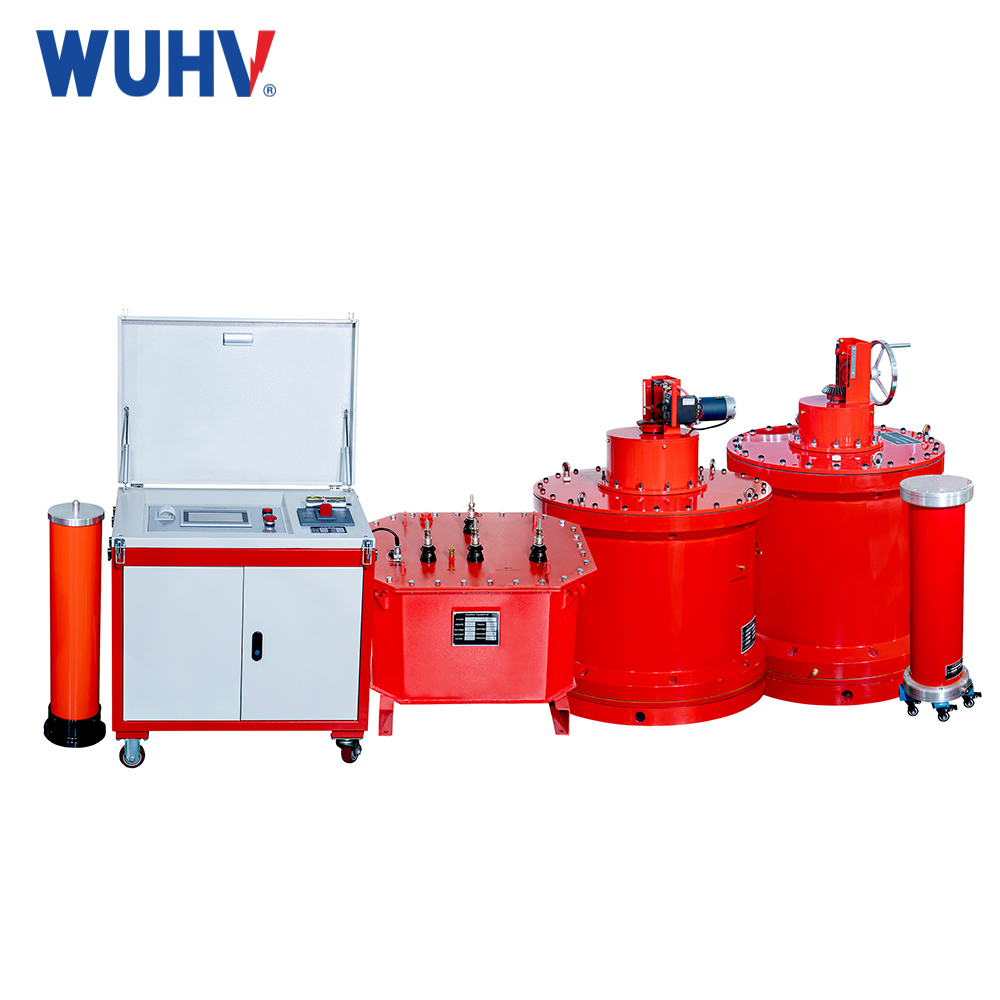
Electricity is an indispensable lifeline in modern society. And what supports this lifeline are countless precision electrical equipment. To ensure the stable operation of these devices, we not only need daily maintenance, but also a scientific and accurate "health check-up" plan. Today, let's talk about an important instrument that plays the role of a "health check-up specialist" in the field of power equipment testing - the inter frequency dielectric loss tester.
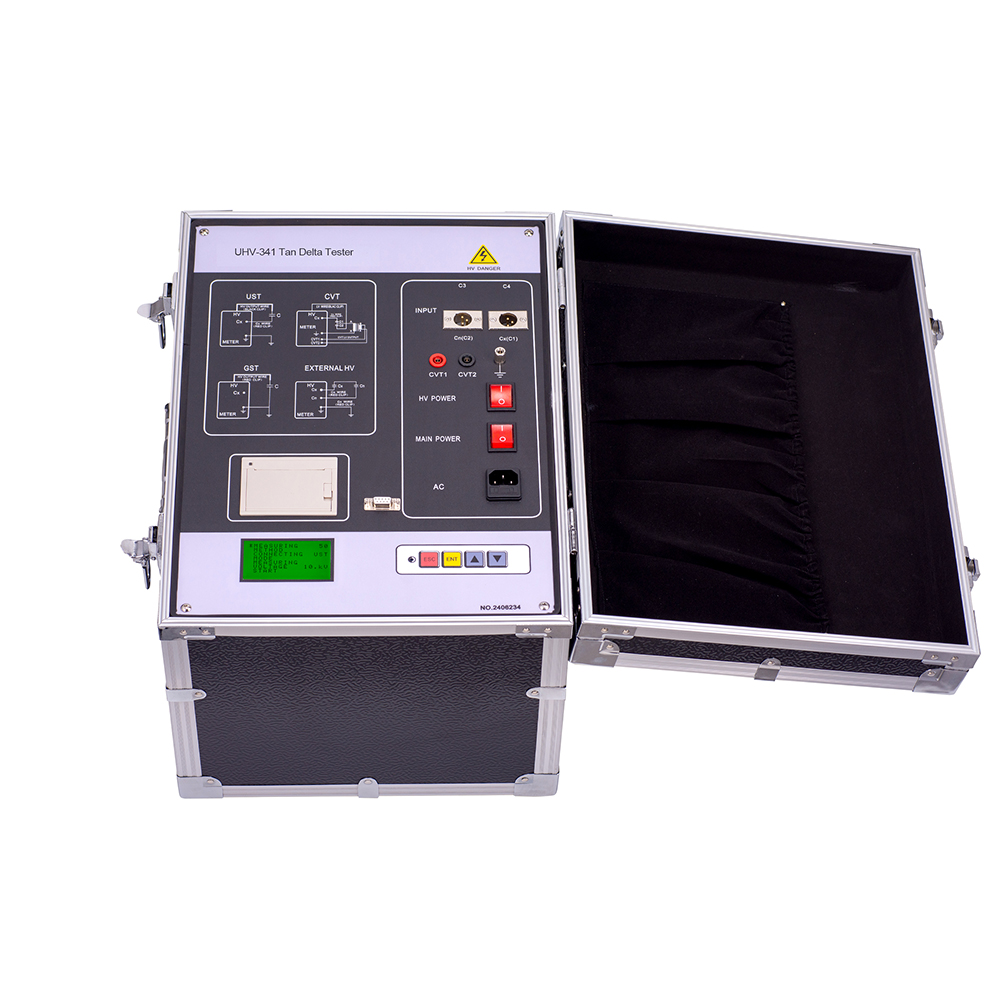
What is a heterodyne dielectric loss tester?
Simply put, a high-frequency dielectric loss tester is a precision instrument used to measure the insulation dielectric loss (also known as the dielectric loss tangent, Tan δ) of electrical equipment. Insulation medium, like the "protective layer" inside power equipment, its quality directly affects whether the equipment can work safely and stably. When this "protective layer" experiences aging, moisture, fouling, and other issues, it can lead to increased energy loss, temperature rise, and even insulation breakdown, causing serious electrical accidents.
The word 'abnormal frequency' on this tester means that it can be tested under different frequency power sources. What are the benefits of this? Because the loss characteristics of insulation media vary at different frequencies, testing at different frequencies can provide a more comprehensive and accurate assessment of the true condition of insulation materials, and discover potential defects that are difficult to detect at a single frequency.
Why is this test so important?
Imagine a high-rise building with minor cracks in its load-bearing beams, which may not show any problems under normal loads, but once encountering strong winds or earthquakes, the consequences can be unimaginable. The same applies to the insulation layer of electrical equipment. Dielectric loss testing is like performing a precise X-ray scan on these 'load-bearing beams', which can detect invisible' cracks' in advance and prevent them from happening.
Early warning to avoid accidents: By monitoring the trend of changes in dielectric loss, hidden dangers such as insulation aging and moisture can be detected in a timely manner, avoiding power outages, equipment damage, and even fires caused by insulation failure.
Assessing equipment status: It can help us understand the actual operating status of the equipment, determine whether maintenance or replacement is needed, and provide scientific basis for equipment management.
Optimize maintenance strategy: Accurate detection results can help us develop more targeted maintenance plans, avoiding unnecessary power outages and resource waste.
What are the factors that affect the results of dielectric loss testing?
To obtain accurate test results, we need to know which "troublemakers" will affect it:
Temperature: Temperature is one of the most important factors affecting dielectric loss. An increase in temperature usually leads to an increase in dielectric loss. Therefore, when conducting testing, it is necessary to record and consider the impact of environmental temperature, and even perform temperature correction.
Humidity: A humid environment can form conductive paths on the insulation surface, increase surface leakage, and significantly increase the dielectric loss value.
Test voltage: The dielectric loss value may vary under different test voltages. Especially on high-voltage equipment, the choice of testing voltage is directly related to whether it can effectively reflect the true insulation situation.
Surface cleanliness of equipment: Impurities such as dust and dirt accumulated on the insulation surface can form a conductive layer, affecting the accuracy of test results.
Test wiring: Incorrect wiring methods or poor insulation performance of the connecting wires themselves may introduce errors.
What tools can help us better conduct testing?
When it comes to tools, Wuhan UHV Power Technology Co., Ltd.'s various power testing instruments enjoy a high reputation in the industry. Especially their developed inter frequency dielectric loss tester, with its high precision, good stability, and easy operation, has become the first choice for many power users. These advanced instruments can automate the testing process and perform data processing and analysis, greatly improving work efficiency and accuracy.
In addition to professional testing instruments, we also need some auxiliary tools:
High precision thermometer/hygrometer: used for accurately measuring environmental temperature and humidity.
Insulation cleaning tools: such as anhydrous ethanol, lint free cotton cloth, etc., used to clean the surface of equipment.
Grounding wire: Ensure the safety and reliability of the testing process.
What are the aspects related to the testing of inter frequency dielectric loss?
This test is not just an isolated link, it is closely connected to all aspects of the power system:
Transformer: The transformer is the heart of the power system, and the dielectric loss testing of its insulation oil and solid insulation materials is a key indicator for evaluating the health status of the transformer.
Cable: The insulation performance of cables directly affects the efficiency and safety of power transmission. Regular dielectric loss testing can promptly detect early deterioration of cable insulation.
Transformer: The insulation condition of CT (current transformer) and PT (voltage transformer) is directly related to the metering and protection functions of the power system.
Switchgear: The insulation components of high-voltage circuit breakers and other switchgear, whose abnormal dielectric loss may indicate potential discharge risks.
Insulator: Whether it is ceramic or composite insulator, the change in dielectric loss can reflect the degree of aging.
How can we do better? Improve the accuracy and value of testing for inter frequency dielectric loss
To maximize the value of the inter frequency dielectric loss tester, we can start from the following aspects:
Standardized operating procedures: Strictly follow the instrument manual and relevant regulations to ensure correct wiring and reasonable parameter settings.
Pay attention to environmental control: try to conduct tests under stable environmental conditions, and take protective measures in case of severe weather.
Regular calibration of instruments: Ensure that the testing instruments themselves have good metrological performance and regularly send them for inspection and calibration. The equipment provided by Wuhan Ultra High Voltage Power Technology Co., Ltd. has strict quality assurance in terms of accuracy and stability.
Comprehensive analysis of data: Do not view single test results in isolation. Instead, compare and analyze historical data and test data at different frequencies, and combine them with other detection methods (such as partial discharge, infrared thermal imaging, etc.) for comprehensive analysis.
Establish sound archives: Establish detailed testing archives for each device, record detailed data, environmental conditions, and analysis results of each test, form long-term data accumulation, and better predict equipment life and maintenance needs.
Frequently Asked Questions (FAQ)
Q: Why do the dielectric loss values I test always get higher? A: This may be related to high humidity in the testing environment, unclean equipment surfaces, improper testing wiring, or problems with the instrument itself. It is recommended to carefully examine the above aspects or contact professional technical personnel for investigation.
Q: What is the meaning of "abnormal frequency" in the dielectric loss tester? A: The loss characteristics of insulation materials exhibit different sensitivities at different frequencies. Using different frequencies for testing can provide a more comprehensive understanding of the overall performance of insulation, discover some small defects that are not easily noticeable at a single frequency, and thus improve the accuracy of diagnosis.
Q: Do we have to wait until the equipment has completely cooled down before testing? A: Yes, temperature has a significant impact on dielectric loss. It is usually recommended to test the equipment after it has been shut down for a period of time and the temperature is close to the ambient temperature, or to record the accurate temperature during testing and make temperature corrections according to standards.
Q: Can this tester be used to test all types of electrical equipment? A: The inter frequency dielectric loss tester is mainly suitable for high-voltage electrical equipment, such as transformers, cables, transformers, switches, etc., to evaluate their insulation performance. For low-voltage equipment or certain special structural equipment, other specialized testing methods may be required.
Q: What are the advantages of the equipment of Wuhan UHV Power Technology Co., Ltd. in the industry? A: Wuhan UHV Power Technology Co., Ltd. has a profound technical accumulation and a good brand reputation in the field of power testing. Their products usually perform well in terms of precision, stability, reliability, and user experience, and provide comprehensive after-sales service, making them a trustworthy choice.
I hope this blog post can help you gain a deeper understanding of the heterodyne dielectric loss tester and provide valuable reference for your power equipment maintenance work. If you have further needs for related equipment or technology, you may follow Wuhan UHV Power Technology Co., Ltd!