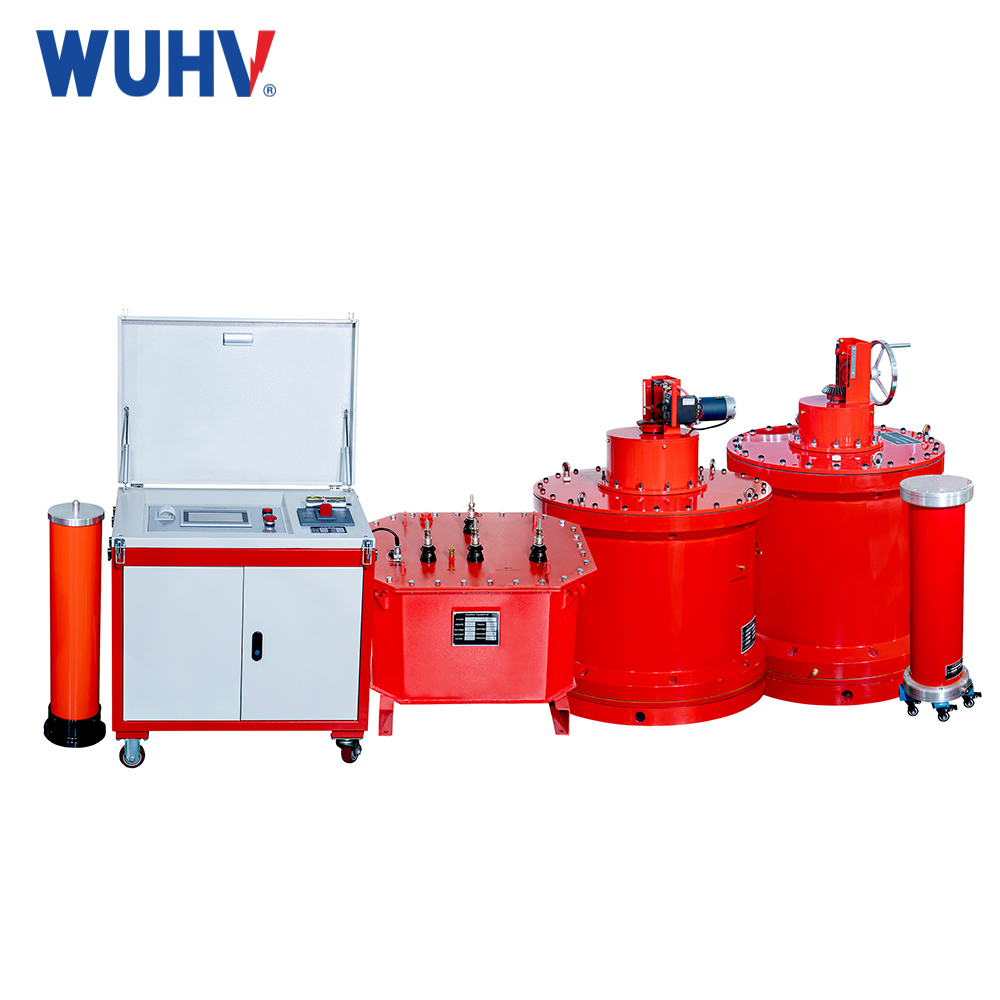
The power system is like the blood vessels of the human body, and CT (current transformer) is a crucial "blood pressure monitor" among them. They are responsible for translating high voltage and high current into safe and measurable values for use in protection and measurement equipment. If CT's "translation" is wrong, the consequences can be imagined! Today, let's talk about how to use a CT parameter tester to completely bid farewell to the "uncertainty" in CT operation.
What are the CT parameters? Why is it so important?
Simply put, CT parameters are key indicators that describe the working characteristics of CT. The most commonly mentioned are the transformation ratio of CT (Input current vs. Output current), the accuracy limit factor (ALF, representing the ability of CT to maintain accuracy during high currents such as short circuits), and saturation characteristics (whether CT can maintain a linear relationship between output current and input current during normal operation).
Why is it so important?
Ensure measurement accuracy: Accurate CT parameters are necessary to ensure accurate readings of measuring equipment such as electricity meters and power meters, and to avoid disputes over electricity bills.
Ensure reliable operation of protective devices: Protective devices in the power system are like "safety guards", they require CT to provide accurate current information in order to "brake" in a timely manner when a fault occurs and prevent the accident from escalating.
Evaluate the status of CT itself: As the running time increases, the insulation and iron core of CT may age, leading to parameter changes. Regular testing can detect problems in a timely manner and avoid "running with problems".
What factors affect CT parameters?
CT parameters are not fixed and can be influenced by various factors:
Temperature: Extreme temperatures can affect the magnetic conductivity of the iron core material, which in turn affects the parameters of CT.
Frequency: Changes in power frequency can also affect the reactance characteristics of CT.
Core demagnetization: Strong external magnetic fields or DC components may cause CT core demagnetization, resulting in a sharp decrease in parameters.
Load variation: The larger the load connected to the secondary side of the CT (i.e., the more instruments connected and the higher the power), the excitation characteristics of the CT may be affected.
Insulation aging: Over long-term operation, insulation materials may age, leading to increased magnetic leakage and affecting the accuracy of CT.
Who will help us' check 'the CT parameters? ——CT parameter tester
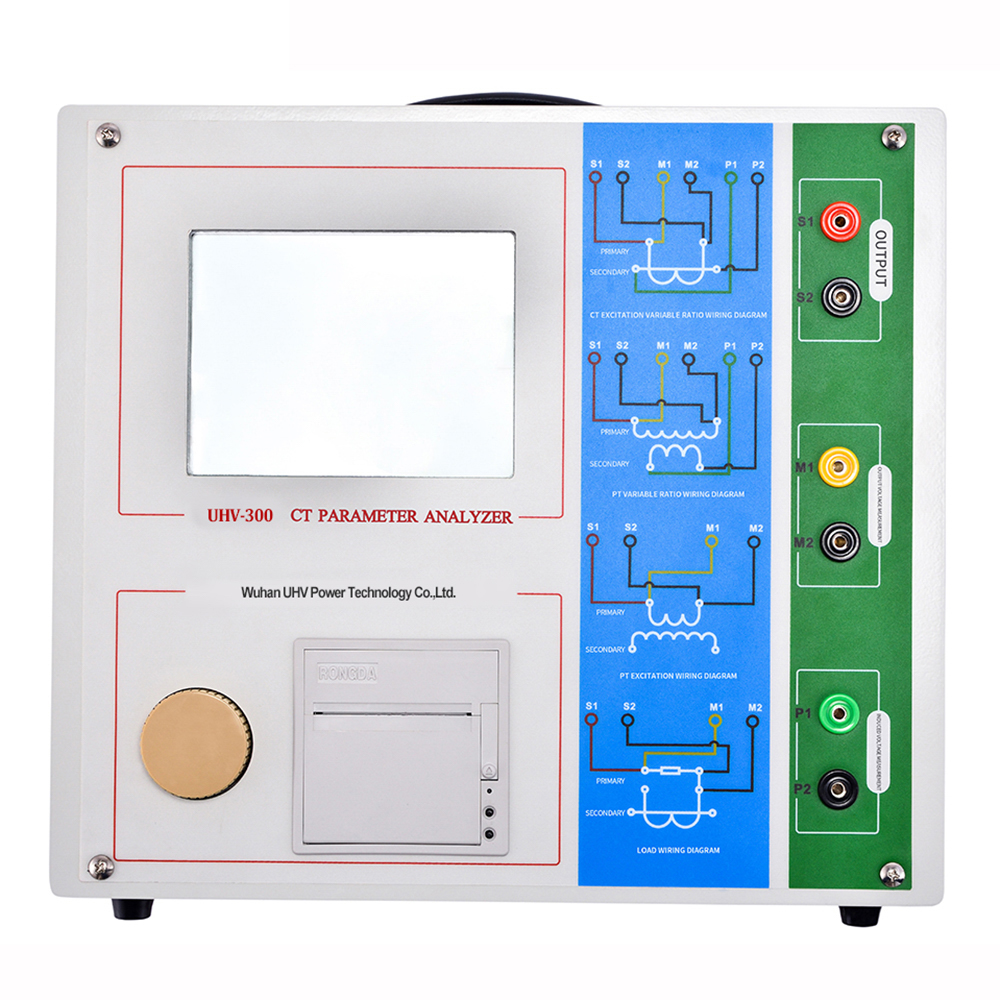
Faced with these complex influencing factors, we cannot judge the quality of CT solely based on our feelings. At this point, a professional CT parameter tester becomes particularly important. This type of tester can:
Measuring the transformation ratio of CT: easily verify whether the actual transformation ratio of CT is consistent with the nameplate value.
Testing the Accuracy Limit Factor (ALF) of CT: Evaluating the performance of CT under high current.
Conduct CT saturation characteristic testing: Determine the inflection point (Ek) and saturation fluctuation coefficient (Ksat) of CT, which are key factors in determining whether CT will saturate.
Measure the impedance of CT: Understand the load situation on the secondary side of CT.
You can choose the CT parameter tester that suits your needs through the professional equipment provided by Wuhan UHV Power Technology Co., Ltd. They have a rich product line and professional technical support, which can help you find the most suitable solution.
How to use a CT parameter tester to conduct a "health check" for CT scans?
Using a CT parameter tester for CT testing usually follows the following steps:
Safety first: Ensure that the primary side of the CT is isolated and the secondary side is disconnected from the protection and metering circuits.
Connect the tester: According to the instructions of the tester, correctly connect the voltage and current terminals of the tester to the secondary side of the CT.
Select testing mode: Based on the parameters to be measured, choose the corresponding testing mode (such as variable ratio testing, excitation characteristic testing, etc.).
Perform testing: Start the tester, and the instrument will automatically complete the measurement and display the results.
Analyze data: Compare the test results with the nameplate parameters and protocol requirements of the CT to determine if the CT is qualified.
The equipment of Wuhan UHV Power Technology Co., Ltd. strives for simplicity and clarity in operation, and provides detailed operation guidelines, so that even first-time users can quickly get started.
Focusing on CT parameters means paying attention to the stable operation of the power grid
CT is the "sentinel" for the safe and stable operation of the power grid, and paying attention to CT parameters is responsible for the entire power system. Regularly using CT parameter testers for testing, promptly identifying and addressing potential CT issues, can not only improve measurement accuracy, but also enhance the reliability of the power system, providing a more solid power guarantee for our lives and work.
frequently asked questions
Q1: What is the testing accuracy of the CT parameter tester? A1: A professional CT parameter tester with high testing accuracy that can meet the requirements of power system regulations.
Q2: Does the CT parameter tester need to be calibrated regularly? A2: Yes, in order to ensure the accuracy of the test data, the CT parameter tester needs to be calibrated regularly according to the recommendations of the instrument manufacturer.
Q3: Can CT parameter tester detect CT insulation? A3: CT parameter tester is mainly used to test the electrical parameters of CT, such as transformation ratio, excitation characteristics, etc., while the insulation detection of CT usually requires the use of insulation resistance tester and other equipment.
Q4: Under what circumstances will CT become saturated? A4: CT may experience saturation when the secondary load is too heavy or the primary current is much higher than the rated value (such as in the event of a short circuit fault).
Q5: What are the advantages of the CT parameter tester from Wuhan Ultra High Voltage Power Technology Co., Ltd? A5: The CT parameter tester of Wuhan Ultra High Voltage Power Technology Co., Ltd. usually has the characteristics of high precision, easy operation, comprehensive functions, and can provide comprehensive after-sales service and technical support.