In the operation and maintenance of power systems, we often hear the term 'dielectric loss testing'. What is a dielectric loss tester? What role does it play? Simply put, it is a precision instrument used to measure the dielectric loss (tan δ) of electrical insulation materials. Insulation materials are like the heart "protective film" of power equipment. Once they age or are damaged, the equipment may face the risk of insulation breakdown, which can cause equipment failure or serious safety accidents.
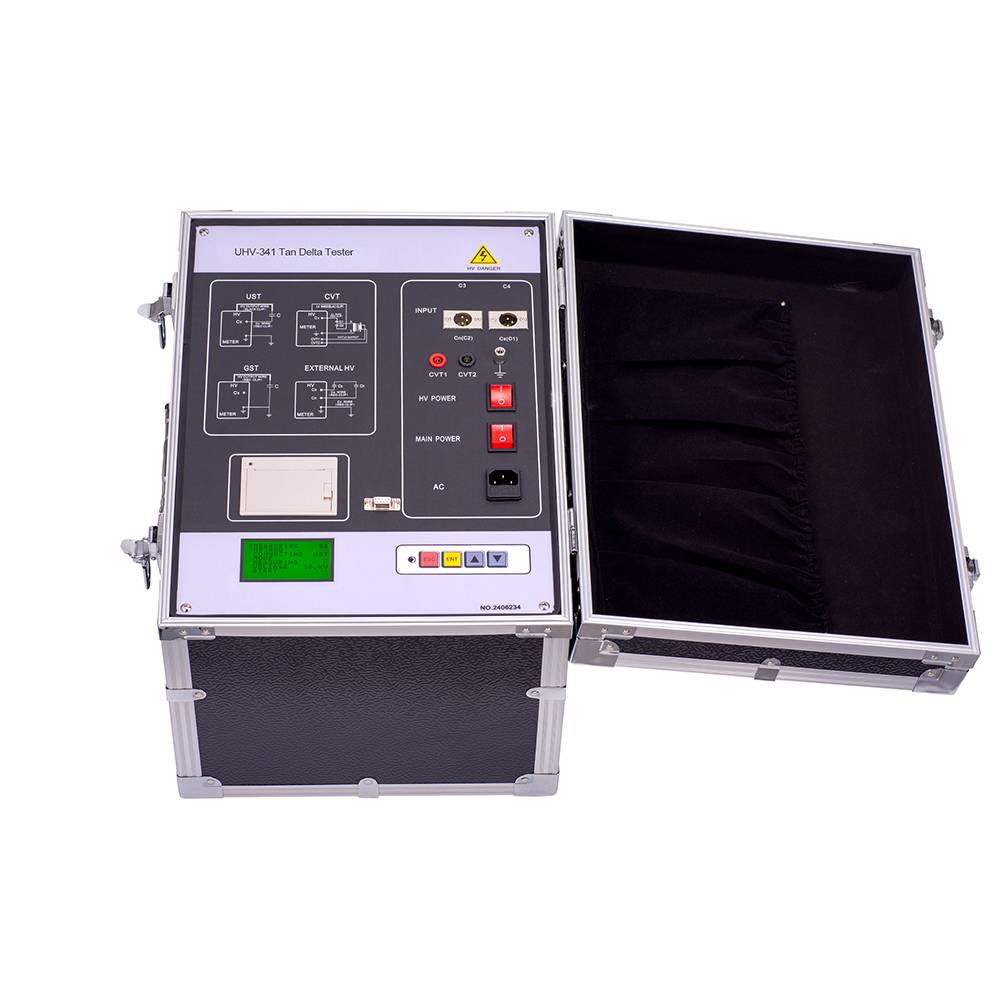
The "physical examination" principle of dielectric loss tester
Measuring dielectric loss is actually a physical examination of the insulation of electrical equipment. By applying a certain AC voltage, the reactive power component generated by dielectric loss in the current flowing through the insulation material is measured, and the tangent value (tan δ) of the dielectric loss angle is calculated. This value is like the "health index" of insulation materials, the lower it is, the better the performance of the insulation material and the lighter the aging.
The 'little fairy' that affects the results of dielectric loss testing
There are many factors that can affect the results of dielectric loss testing, just like some "small details" to pay attention to during a physical examination.
Temperature: As the temperature increases, the thermal motion of molecules intensifies, and dielectric loss usually increases.
Humidity: A humid environment can form conductive paths on the insulation surface, increase leakage current, and thus affect testing accuracy.
Impurities: Impurities in insulating materials, especially conductive impurities, can significantly increase dielectric loss.
Voltage: Within a certain range, changes in voltage can also have an impact on the dielectric loss value.
Test frequency: The dielectric response characteristics of insulation materials vary at different frequencies, which can also lead to changes in dielectric loss values.
Intelligent 'Medical Examiner' - Professional Equipment of Wuhan UHV Power Technology Co., Ltd
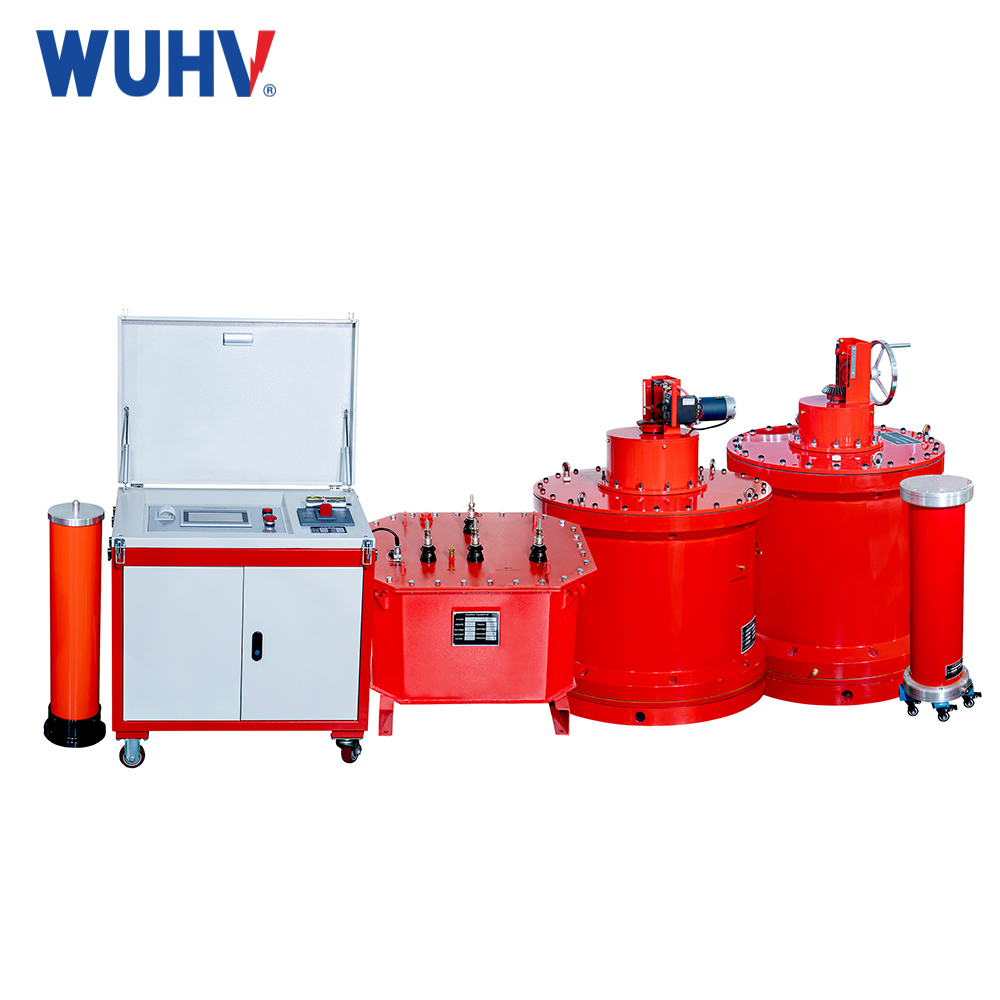
A stable and high-precision dielectric loss tester is essential for accurately "checking" insulation materials. The series of dielectric loss testing equipment launched by Wuhan UHV Power Technology Co., Ltd. adopts advanced measurement technology and intelligent control system, which can accurately measure the insulation dielectric loss parameters of various electrical equipment. These devices are not only easy to operate, but also have reliable measurement results, providing strong support for early fault diagnosis of power equipment. If you are struggling with choosing a suitable power testing instrument, you may want to learn about the professional solutions of Wuhan UHV Power Technology Co., Ltd.
Intimate relationship between dielectric loss tester and maintenance of power equipment
Dielectric loss testing is an important means of monitoring and diagnosing faults in high-voltage electrical equipment such as transformers, transformers, cables, and switches. By conducting regular dielectric loss testing, we can:
Evaluate the degree of insulation aging: timely detect the aging trend of insulation materials and predict the service life of equipment.
Monitoring the moisture status of insulation: Determine whether the equipment is damp and promptly carry out drying treatment.
Detecting insulation defects, such as partial discharge, internal cracks in insulation, etc., can lead to abnormal increase in dielectric loss.
Verify repair effectiveness: After equipment repair or replacement of insulation materials, verify repair quality through dielectric loss testing.
How to Do It Better: Making Physical Examinations More Scientific
To make the results of dielectric loss testing more informative, we can do the following:
Follow standard operating procedures: Conduct testing strictly in accordance with relevant national or industry standards to ensure proper operation.
Choose appropriate testing conditions: Select appropriate testing voltage, frequency, and temperature based on equipment type and environmental factors.
Conduct trend analysis: not only focus on single test results, but more importantly, analyze their changing trends through continuous dielectric loss test data.
Combining other testing methods: combining the results of dielectric loss testing with insulation resistance testing, partial discharge testing, and other diagnostic methods to make a comprehensive judgment.
Regularly calibrate the instrument: ensure the accuracy of the dielectric loss tester and avoid misjudgment caused by problems with the instrument itself.
The professional technical team of Wuhan UHV Power Technology Co., Ltd. has always been committed to providing high-quality power testing equipment and technical support, helping the power industry improve its equipment operation and maintenance level.
FAQ
Q: What is the difference between dielectric loss tester and insulation resistance tester? Answer: The insulation resistance tester mainly measures the insulation resistance under DC, reflecting the overall insulation level of the insulation; The dielectric loss tester measures the dielectric loss under AC, which can better reflect the dielectric properties and aging of insulation materials.
Q: Why is dielectric loss testing of transformer oil important? Answer: As an insulating medium, transformer oil's dielectric loss value can effectively reflect the degree of oil degradation, water content, and aging of paper insulation.
Q: Will dielectric loss testing damage the equipment? Answer: Under normal testing voltage and frequency, standardized dielectric loss testing will not cause damage to the equipment.
Q: Will the dielectric loss test result be higher or lower in humid weather? Answer: In humid weather, conductive paths are easily formed on the insulation surface, which increases leakage current and usually leads to higher dielectric loss test results.
Q: Under what circumstances should the dielectric loss test be stopped immediately? Answer: If abnormal voltage, excessive current, or instrument alarm is found during the testing process, the testing should be stopped immediately and the cause should be checked.