


Product Introduction
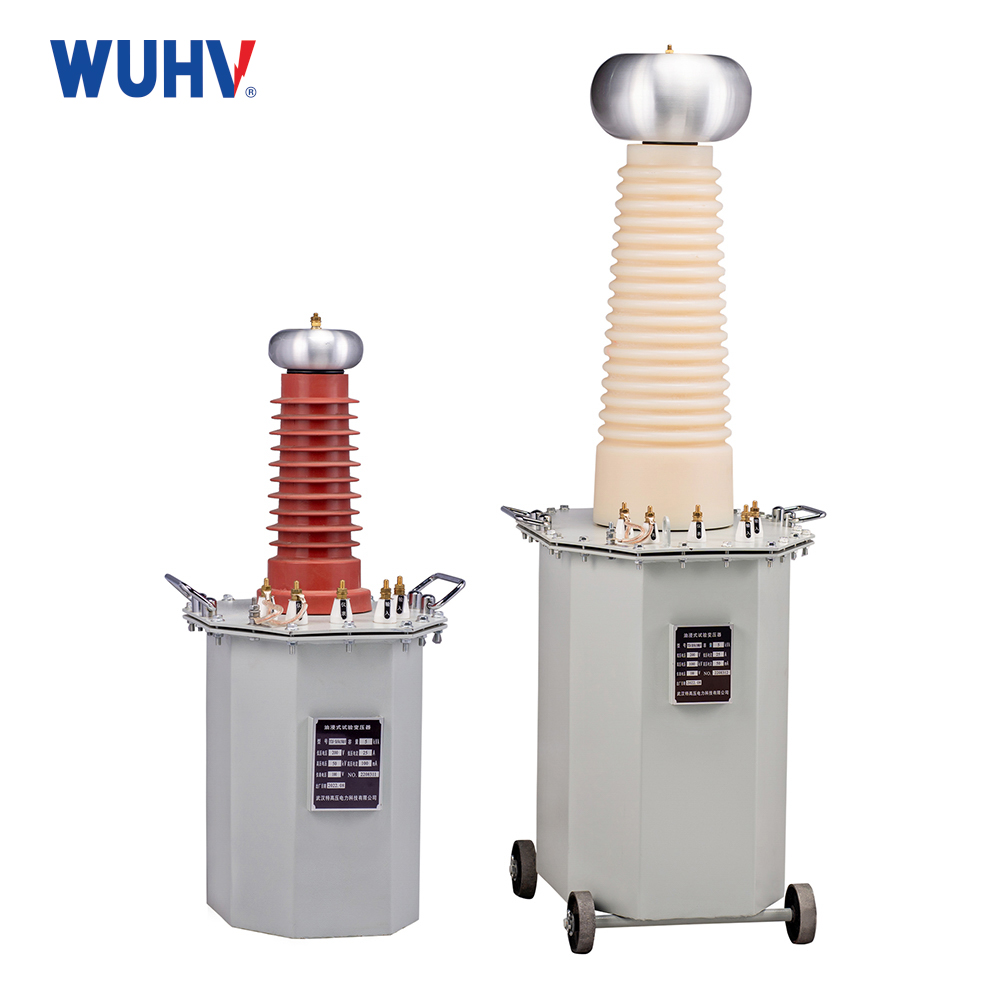
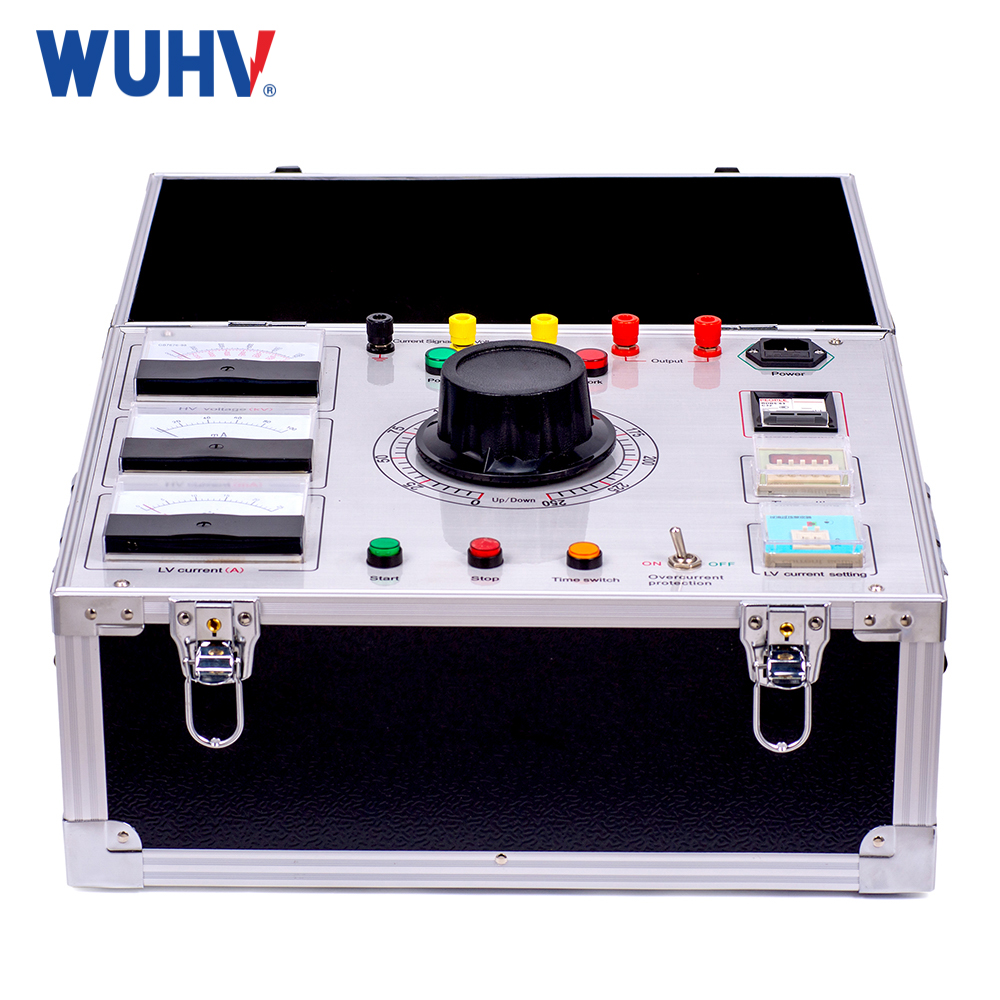
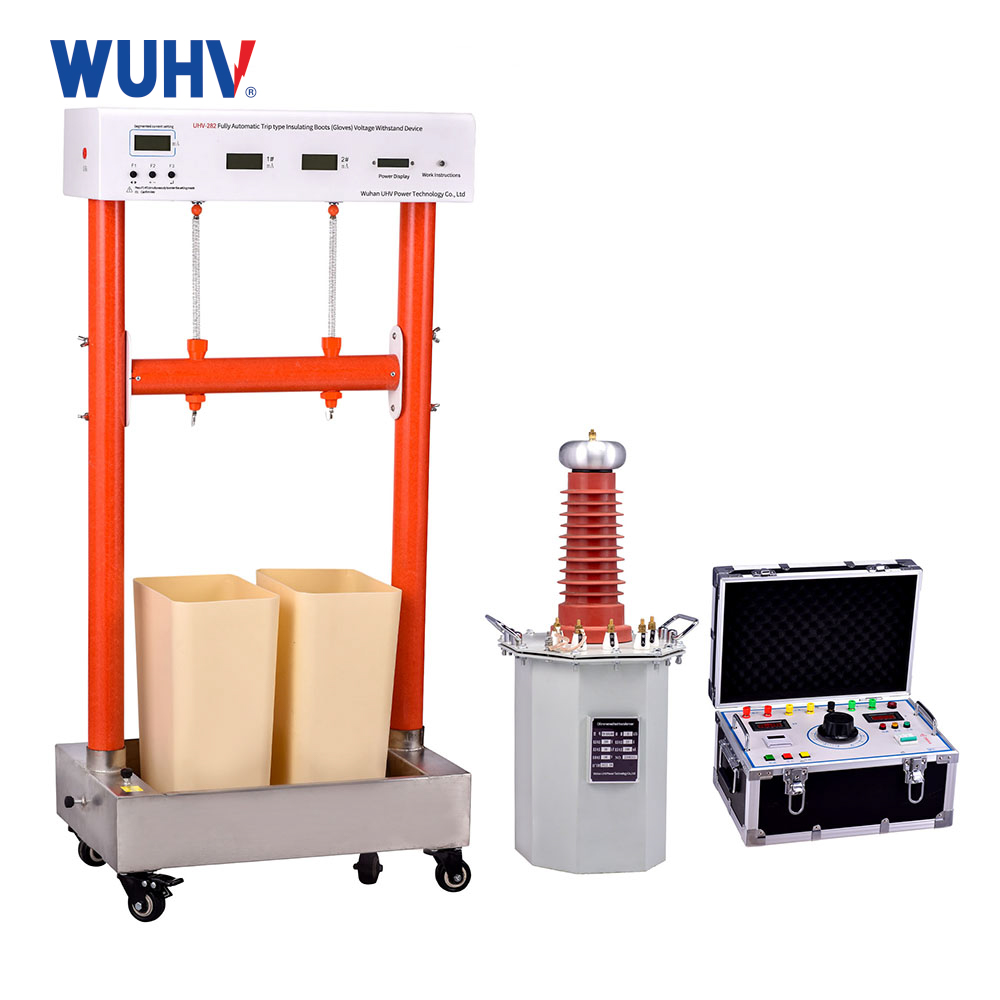
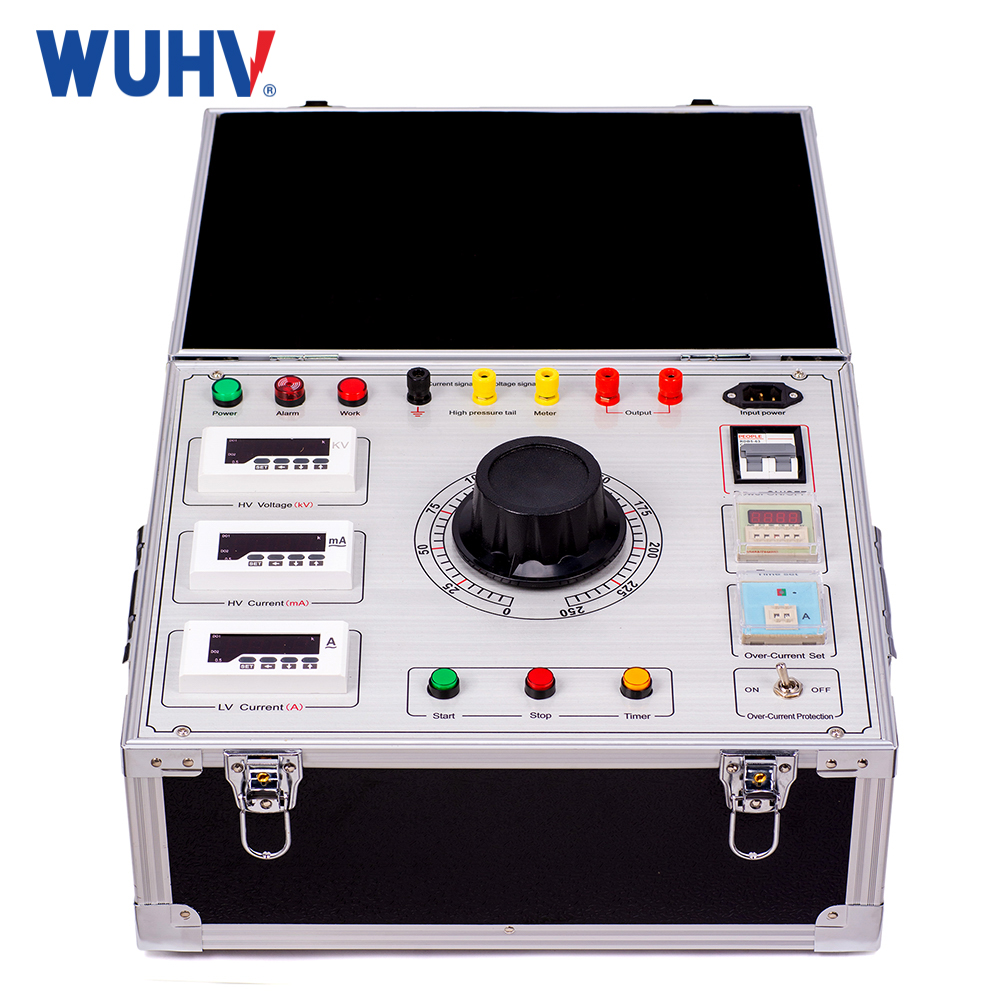
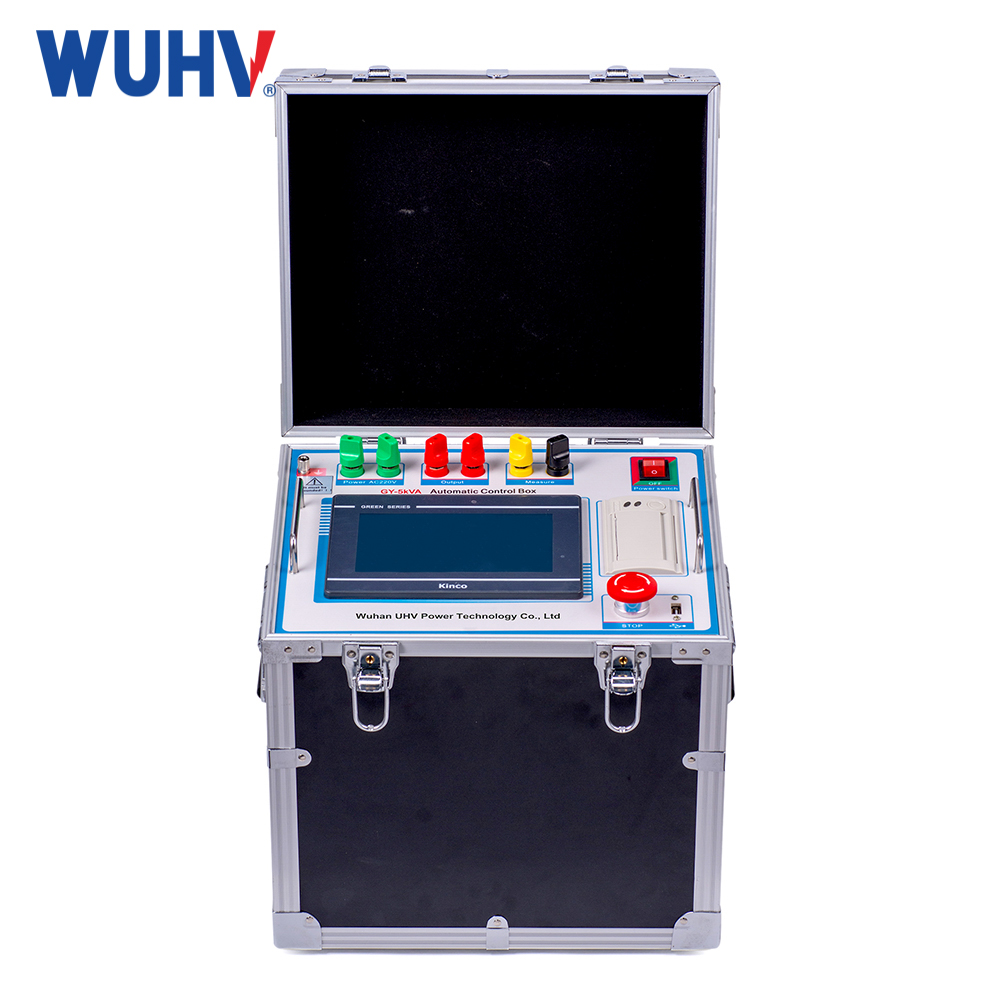
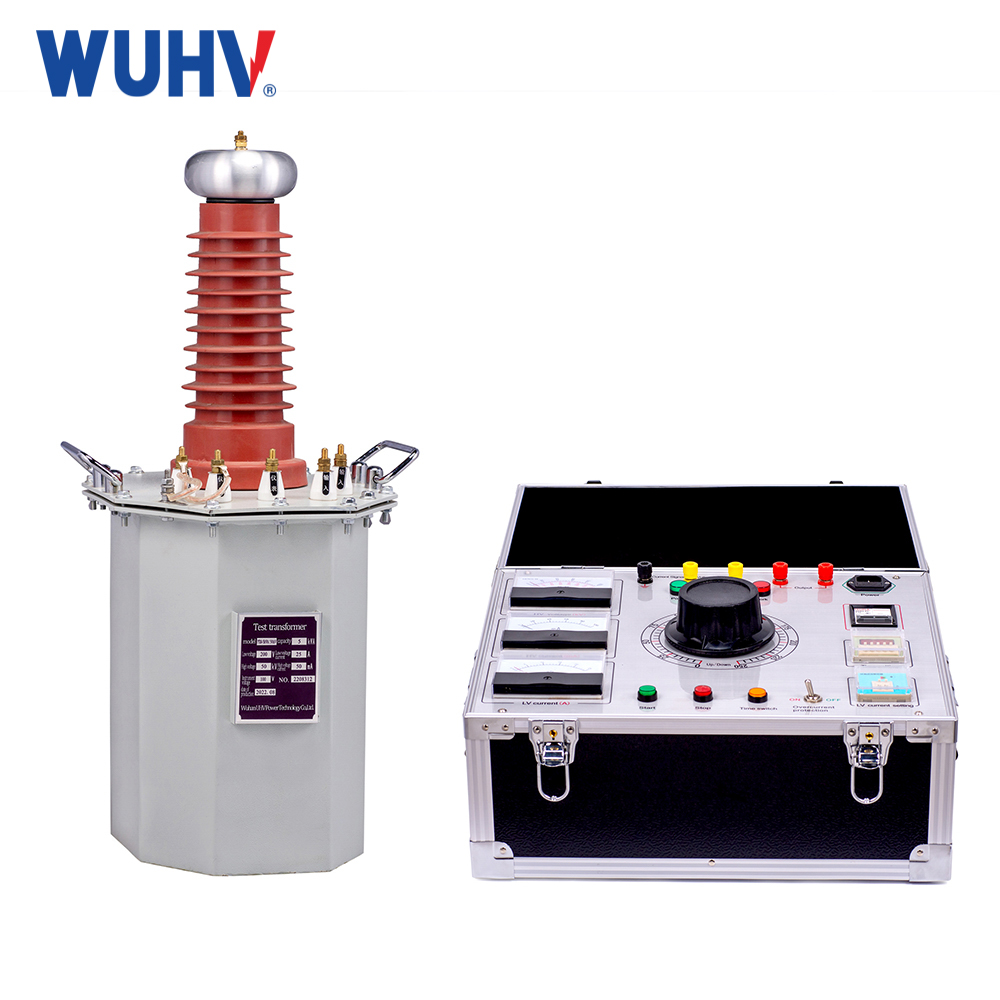
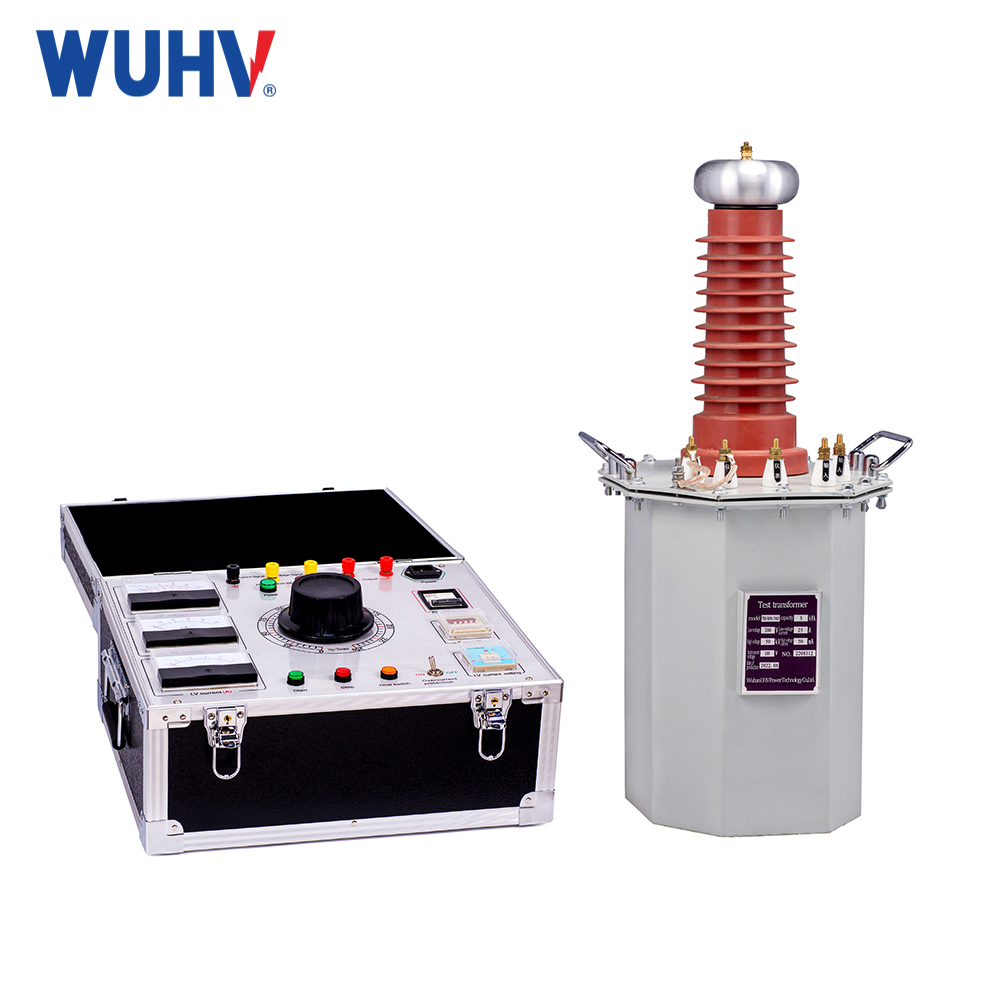
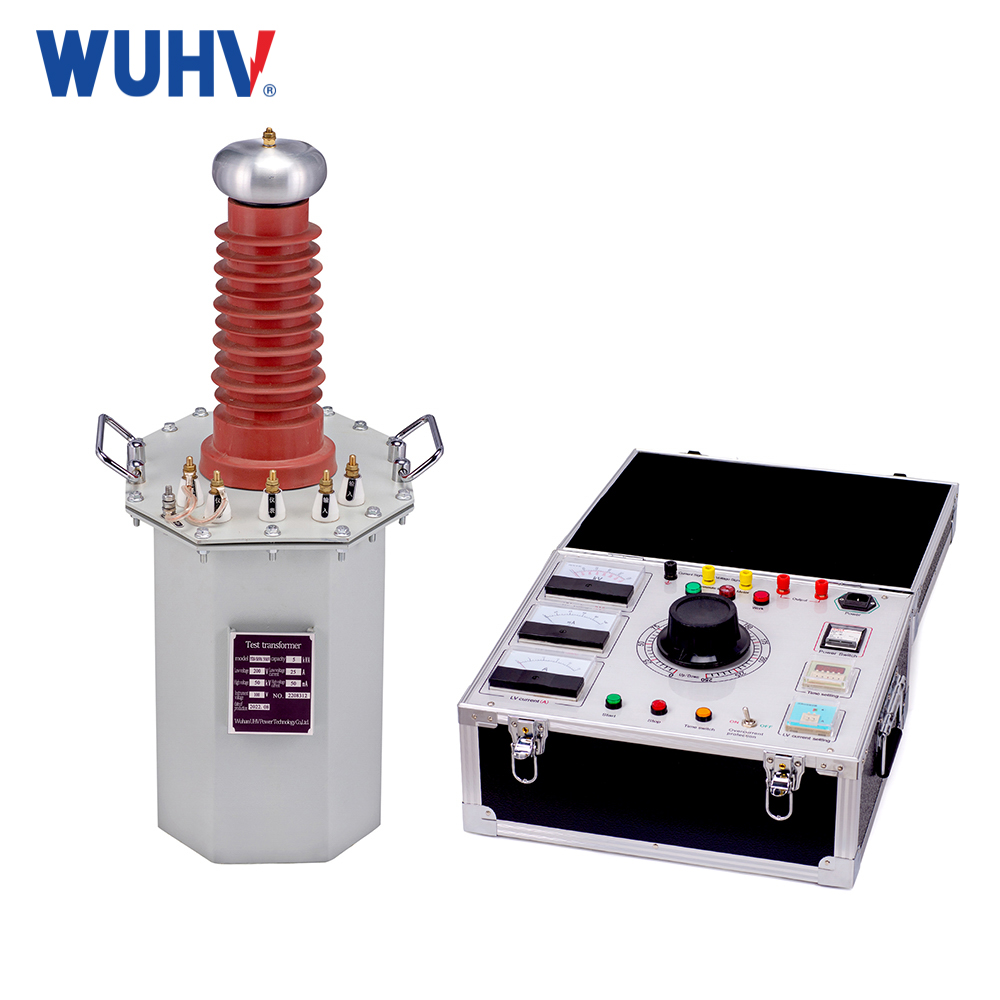
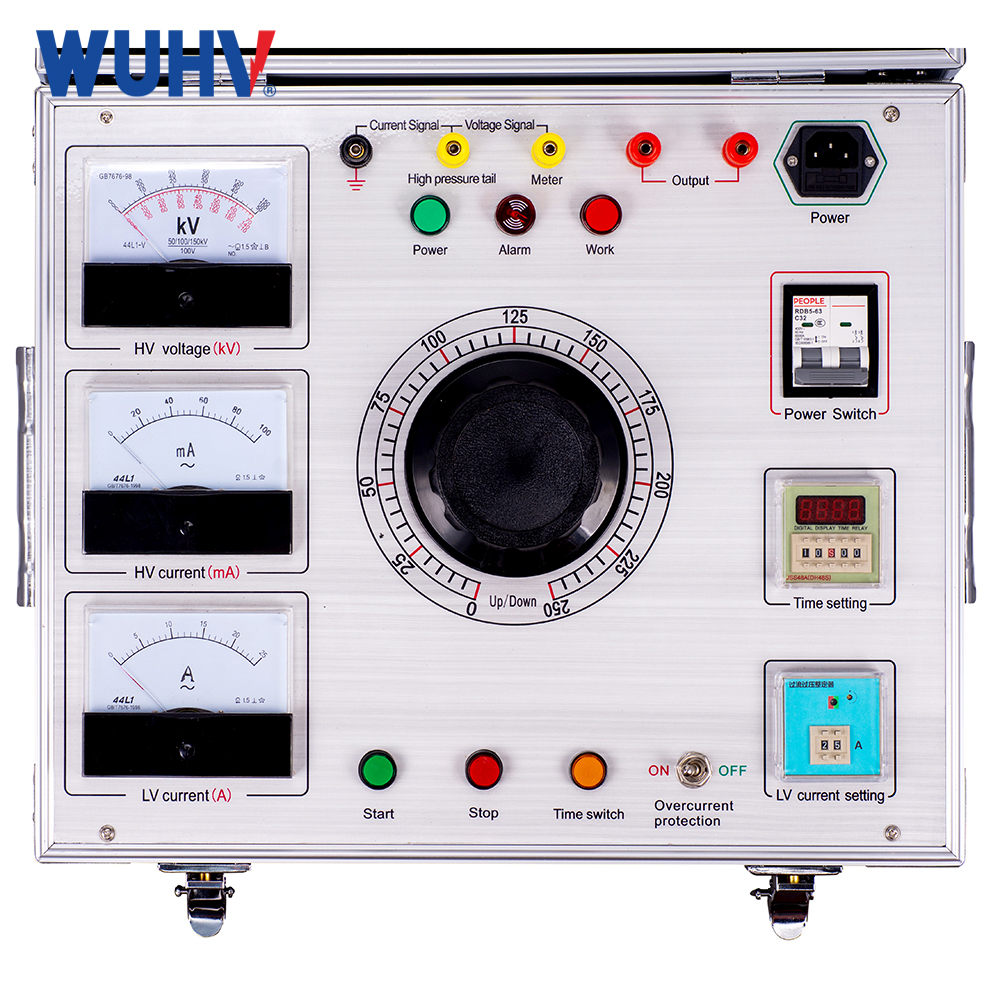
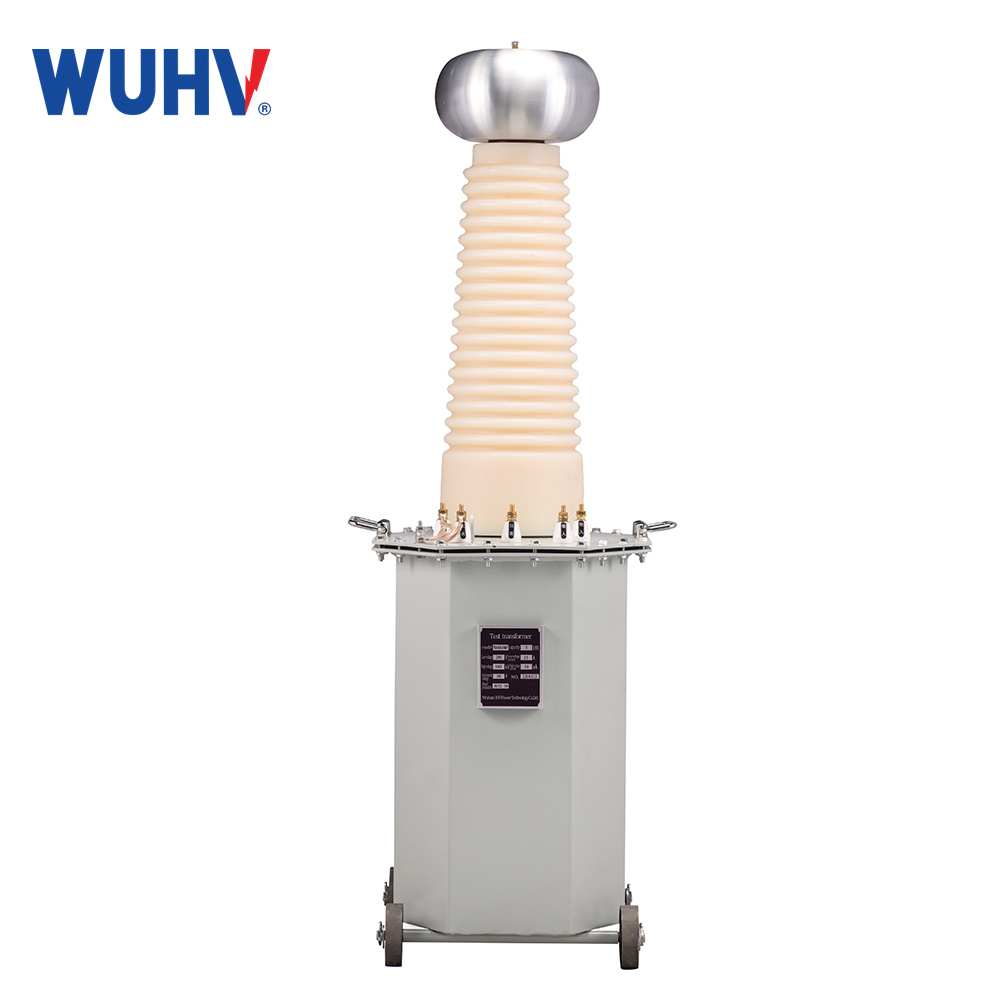
The YDJ Pointer 5kVA Oil-Immersed AC Test Transformer is a traditional high-voltage testing device that utilizes oil insulation to deliver stable AC withstand voltage tests on electrical equipment. With a 5kVA capacity, it is well-suited for testing medium-sized apparatus such as transformers and cables. The pointer-style analog interface provides clear, real-time readings of voltage and current. The oil-immersed design ensures effective heat dissipation and reliable insulation performance, making this classic tester an ideal choice for industrial and laboratory applications that demand robust dielectric strength validation.
Product Characteristics
Superior Material & Reliable Quality – The high-voltage test transformer features carefully selected materials, ensuring reliable quality and excellent operational stability.
High Voltage Margin & Low Partial Discharge – Designed with a large voltage margin, a compact corona ring, and minimal partial discharge levels for enhanced performance.
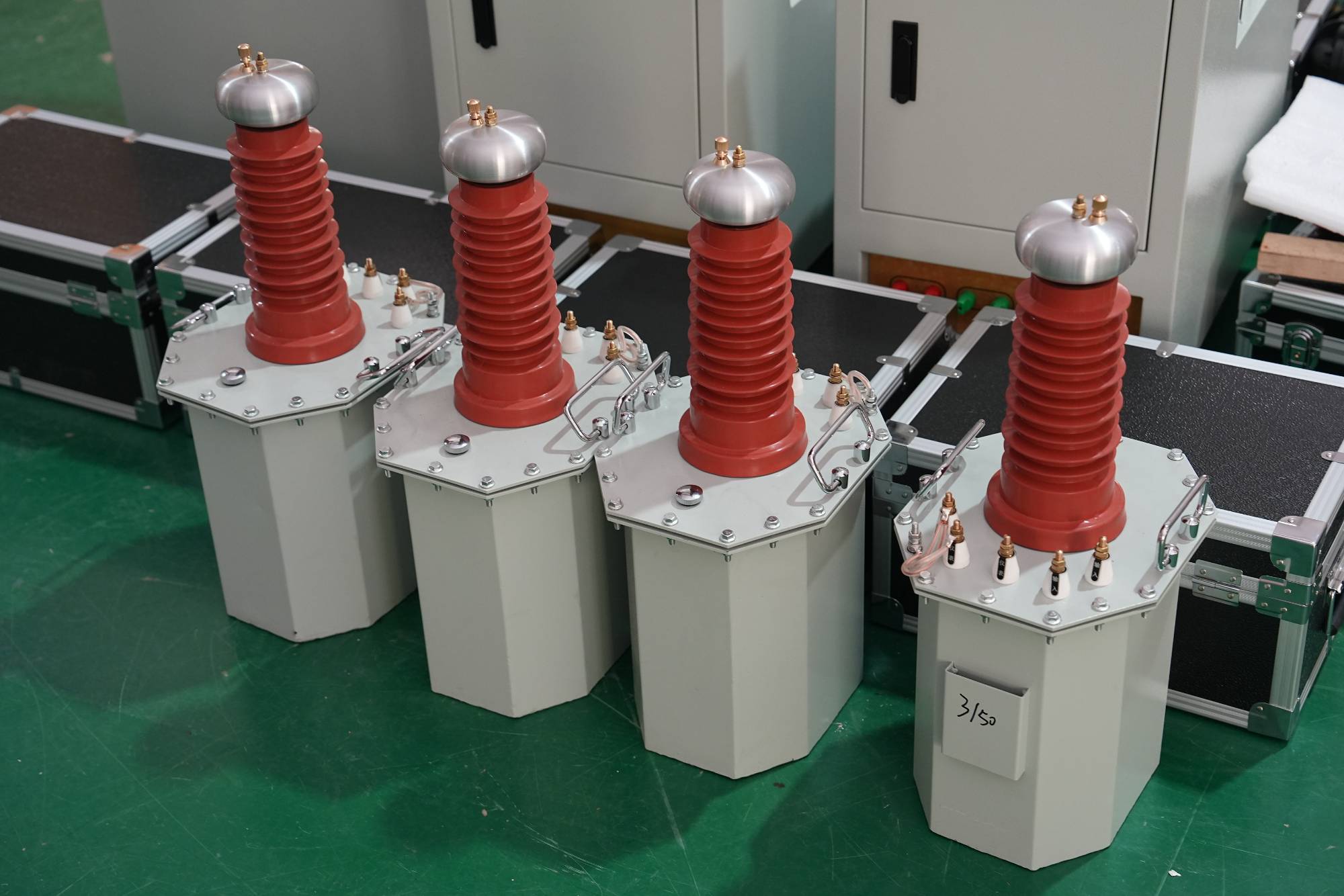
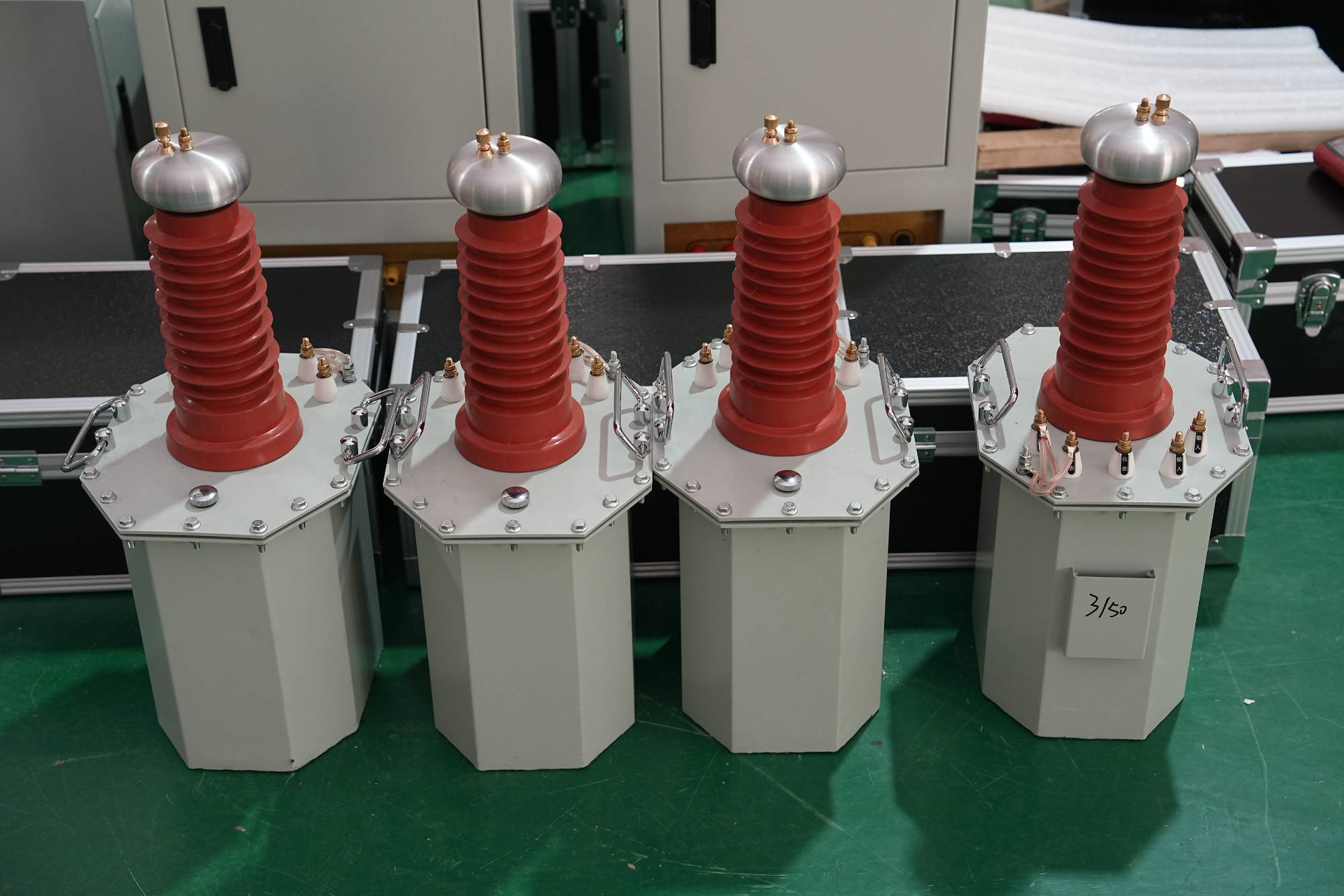
Compact & Lightweight Design – Utilizes advanced new insulation materials, resulting in a smaller footprint and lighter weight for improved portability.
 |  |
Parameter teknik
| specifications and models | capacity(kVA) | High Voltage(kV) | high-tension current(mA) | ow input voltage | ratio of transformation(high /rites) | temperature rise℃(30 minutes) | |
| tension(V) | electricity(A) | ||||||
| YDJ-3/50 | 3 | 50 | 60 | 200 | 15 | 500 | 10 |
| YDJ-5/50 | 5 | 50 | 100 | 200 | 25 | 500 | 10 |
| YDJ-10/50 | 10 | 50 | 200 | 200 | 50 | 500 | 10 |
| YDJ-20/50 | 20 | 50 | 400 | 400 | 50 | 500 | 10 |
| YDJ-30/50 | 30 | 50 | 600 | 400 | 50 | 500 | 10 |
| YDJ-50/50 | 50 | 50 | 1000 | 400 | 125 | 500 | 10 |
| YDJ-5/100 | 5 | 100 | 50 | 200 | 25 | 1000 | 10 |
| YDJ-10/100 | 10 | 100 | 100 | 400 | 25 | 1000 | 10 |
| YDJ-10/25 | 10 | 25 | 400 | 400 | 25 | 1000 | 10 |
| YDJ-20/100 | 20 | 100 | 200 | 400 | 50 | 1000 | 10 |
| YDJ-30/100 | 30 | 100 | 300 | 400 | 75 | 1000 | 10 |
| YDJ-50/100 | 50 | 100 | 500 | 400 | 125 | 1000 | 10 |
| YDJ-15/150 | 15 | 150 | 100 | 400 | 37.5 | 1000 | 10 |
| YDJ-20/150 | 20 | 150 | 133 | 400 | 50 | 1000 | 10 |
| YDJ-30/150 | 30 | 150 | 200 | 400 | 75 | 1000 | 10 |
| YDJ-50/150 | 50 | 150 | 333 | 400 | 125 | 1000 | 10 |
| YDJ-100/150 | 100 | 150 | 667 | 400 | 250 | 1000 | 10 |
| YDJ-50/200 | 50 | 200 | 250 | 400 | 125 | 1000 | 10 |
| YDJ-100/200 | 100 | 200 | 500 | 400 | 250 | 1000 | 10 |
| YDJ-150/200 | 150 | 200 | 750 | 400 | 375 | 1000 | 10 |
| YDJ-200/200 | 200 | 200 | 1000 | 400 | 500 | 1000 | 10 |
| YDJ-300/200 | 300 | 200 | 1500 | 400 | 750 | 1000 | 10 |
| YDJ-50/300 | 50 | 300 | 170 | 400 | 125 | 1000 | 10 |
| YDJ-100/300 | 100 | 300 | 333 | 400 | 250 | 1000 | 10 |
| YDJ-150/300 | 150 | 300 | 500 | 400 | 375 | 1000 | 10 |
| YDJ-200/300 | 200 | 300 | 667 | 400 | 500 | 1000 | 10 |
| YDJ-300/300 | 300 | 300 | 3000 | 400 | 750 | 1000 | 10 |
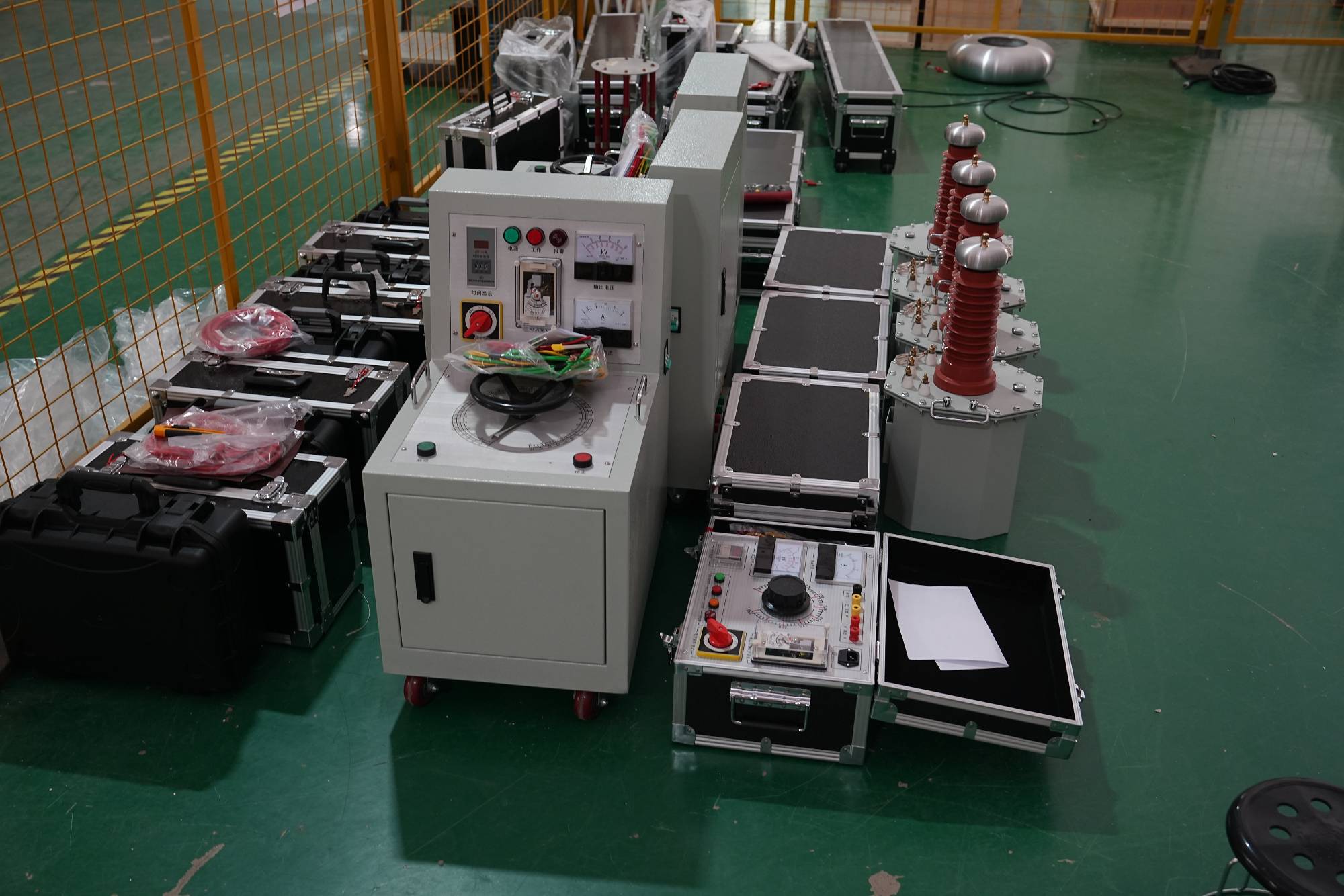 | 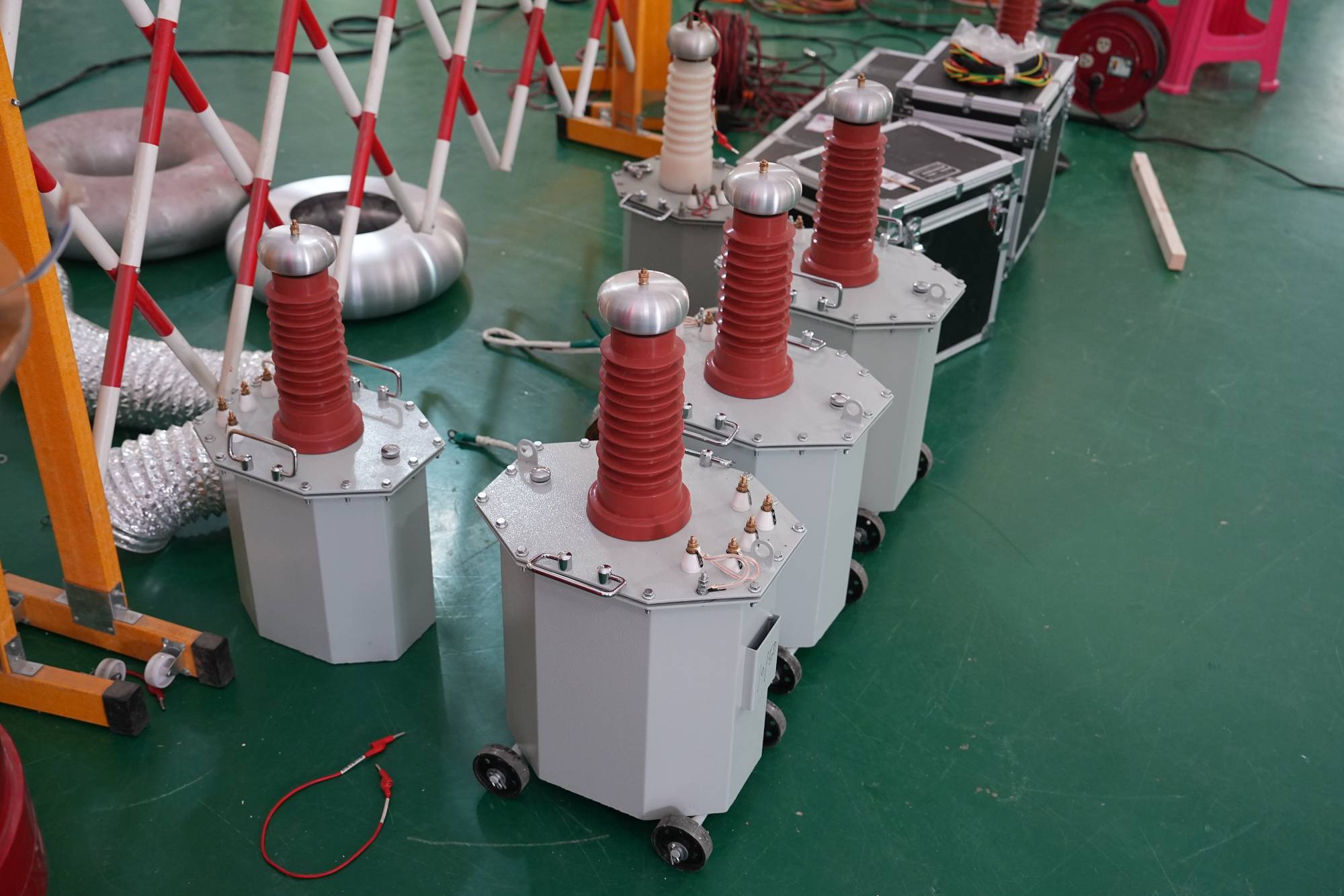 |
Comparison of Advantages and Disadvantages of Various Test Transformers
Oil immersed test transformer | Dry type test transformer | Inflatable test transformer | |
Advantages | Strong insulation performance, suitable for high voltage levels; High heat dissipation efficiency, capable of long-term continuous operation; Low cost, mature technology, and high market penetration rate. | Small size, light weight, easy to move and use outdoors; No oil leakage risk, good environmental friendliness; Easy maintenance, only requiring regular cleaning and inspection. | High insulation strength, capable of achieving miniaturized design; Strong anti pollution ability, suitable for harsh environments such as humidity and dust; The level of partial discharge is low, and the test data is more accurate. |
Disadvantages | Large volume, heavy weight, inconvenient transportation and installation; Regular maintenance is required (such as oil change and leak detection), which incurs high maintenance costs; There is a risk of oil leakage, and scenarios with high environmental friendliness requirements are limited. | The insulation performance is greatly affected by environmental humidity; Limited heat dissipation capacity, not suitable for long-term high load operation; The cost is higher than that of oil immersed, especially in high-voltage scenarios. | The cost is very high, especially SF6 gas requires special treatment; The risk of gas leakage needs to be strictly monitored; Maintenance requires professional equipment and a high technical threshold. |
Main application scenarios
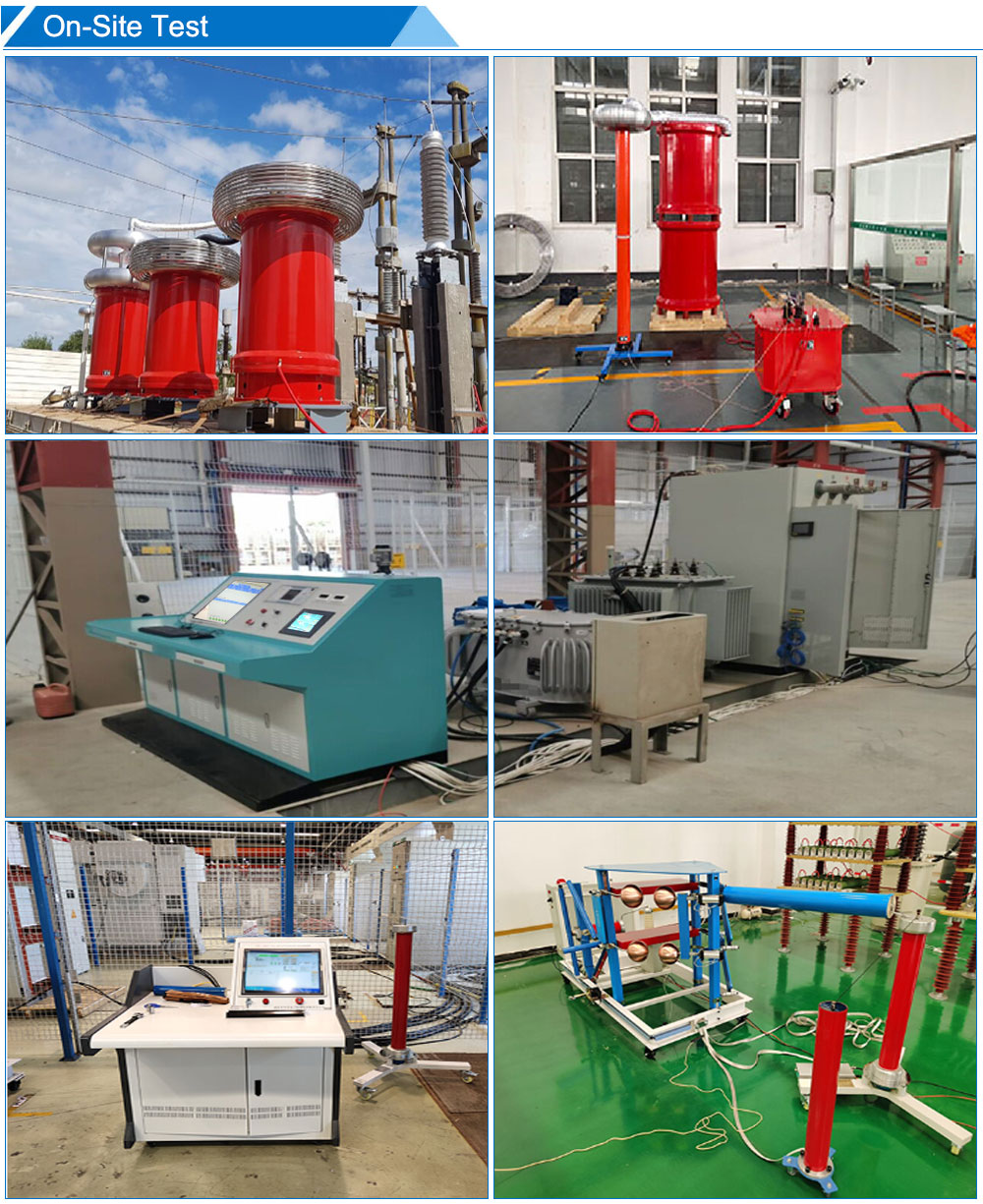
1. Power system testing: Oil immersed test transformer manufactures are used to test transformers, switchgear, relays, and transmission lines in the power system. By applying parameters such as high voltage and high current, the performance of these devices under load and overload conditions can be detected.
2. Insulation material testing: Oil immersed test transformer supplier conduct voltage withstand tests on insulation materials (such as cables, insulators, transformer windings, etc.). Applying high voltage and transient voltage can verify the reliability and safety of these materials in actual working environments.
3. Voltage withstand test: Oil immersed test transformer factory are subjected to partial discharge and leakage current tests to evaluate the insulation level of the equipment. These tests can help determine whether the device complies with safety standards and regulations.
4. Fault simulation testing: Oil immersed test transformers are used for fault simulation testing, such as short circuit testing, overvoltage testing, and frequency response testing. These tests can check the stability and protective performance of the equipment under fault conditions.
5. Electronic device testing: Some electronic components or circuits need to be tested in liquid media to ensure their reliability and durability. Oil immersed testing can provide performance evaluation of components or circuits under immersion conditions.
6. Mechanical engineering applications: In specific situations, mechanical components need to be tested in an environment with lubricating oil or hydraulic oil. Oil immersed testing can simulate wear and friction under real working conditions, and evaluate the performance and lifespan of components.
7. Materials science research: Some materials require performance testing in specific environments, such as corrosion resistance or high temperature resistance. Oil immersed testing provides a closed environment where the material comes into contact with the testing medium and evaluates its suitability by monitoring its performance.
8. Automotive industry applications: In the automotive field, some components need to withstand environments with lubricating oil or preservatives. Oil immersed testing can be used to evaluate the performance of components in these environments.
9. Medical equipment testing: Some medical equipment needs to be tested in physiological fluids to ensure its compatibility and reliability with the human body. Oil immersed testing can simulate these conditions and evaluate the safety performance of the equipment.
Frequently Asked Questions
Q: What is the most easily overlooked fatal detail before operation?
Answer: The shell and iron core must be "grounded at one point", and the grounding resistance should not exceed 0.5 Ω. Many people only connect the casing and forget to connect the X terminal of the low-voltage winding (input side), which can lead to inaccurate measurement on the high-voltage side and easy breakdown of the instrument. In addition, it is necessary to check the insulation oil level. When the oil level is too low, the high-voltage lead is exposed to the air, and the boost must be discharged.
Q: The voltage cannot rise during the experiment, but the voltage regulator has reached its maximum. Why?
Answer: Common reasons:1. The voltage drop of the power supply line is too large (due to the wire diameter being too thin or the distance being too far), resulting in insufficient input voltage;2. The insulation of the test sample is severely broken down, forming a short circuit (at this time, the leakage current will surge sharply);3. Poor contact of carbon brush or broken winding of voltage regulator.
Q: What is the difference between an AC and DC hipot test with this equipment?
A: The test transformer is primarily designed to provide high-voltage AC output. For DC withstand testing, an appropriate rectifier and supporting high-voltage components are required. The actual configuration should be selected according to the required test voltage, test current, and test object.
Wuhan UHV Power Technology Co., Ltd. is a professional manufacturer and supplier of high-voltage power testing equipment in China. With advanced technology, reliable quality and competitive factory-direct price, we provide a wide range of testing solutions, including AC resonant test systems, high-voltage testers, transformer testers, relay protection testers and battery testers. With OEM and customized services available, we are committed to delivering professional solutions and long-term value to customers worldwide.