

Product Introduction
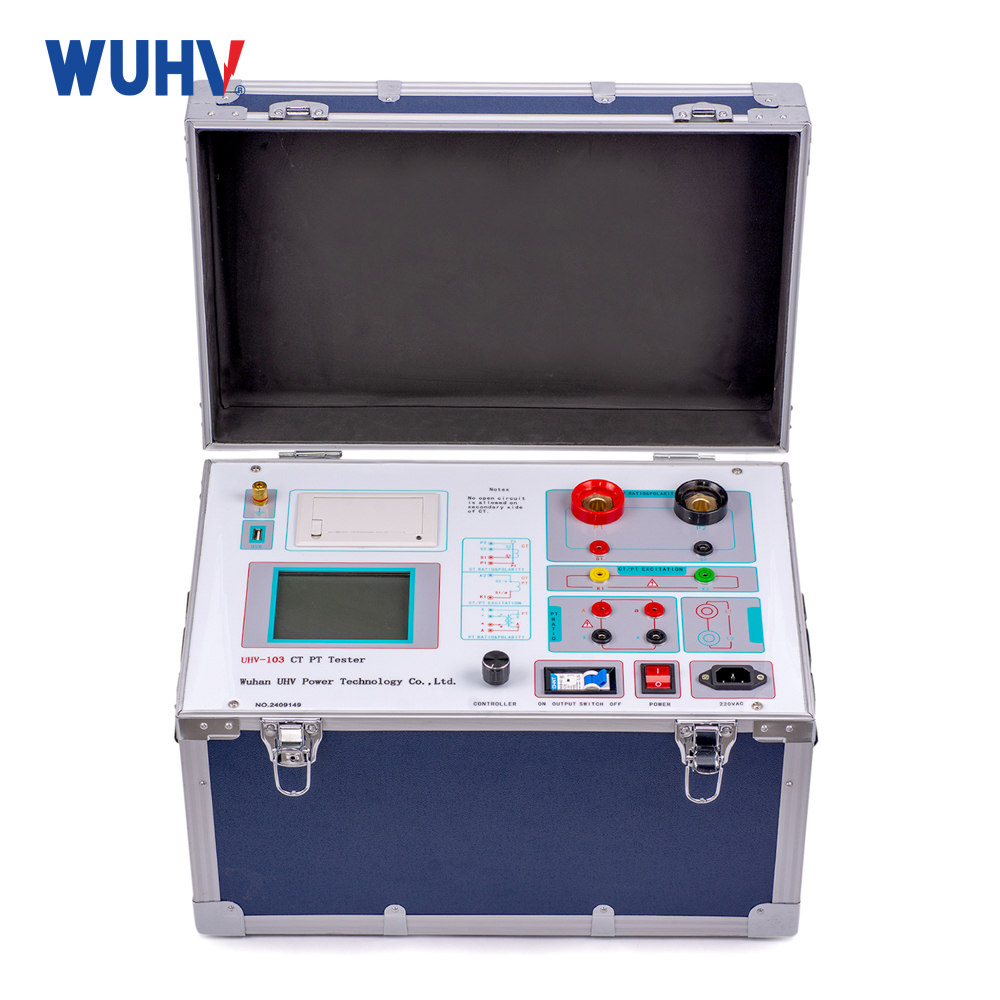
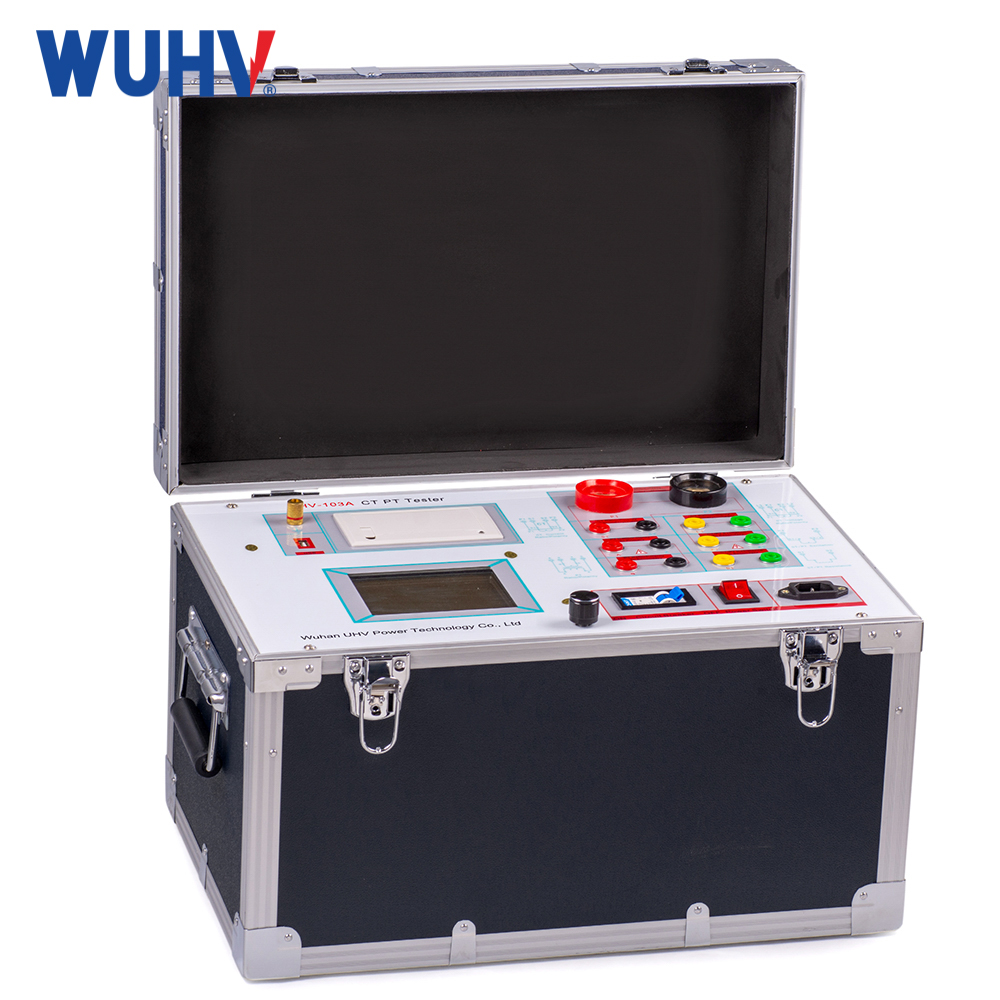
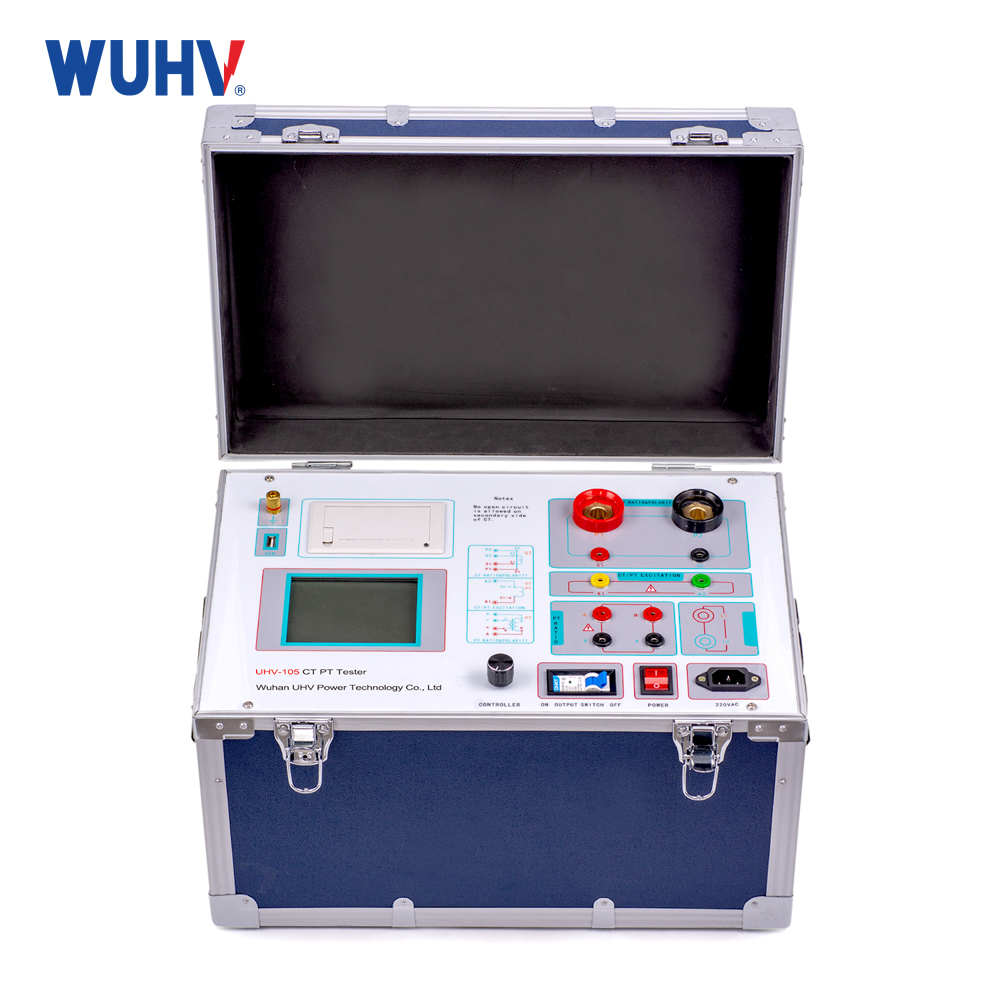
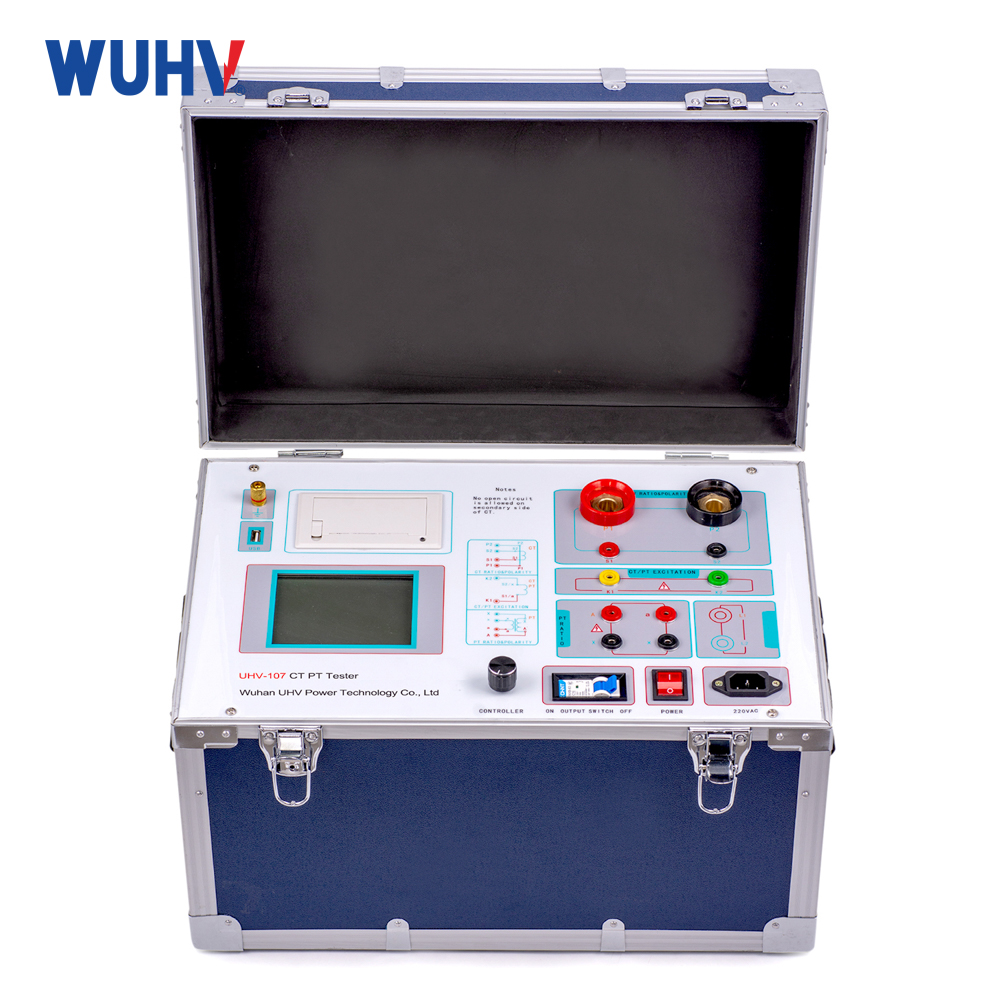
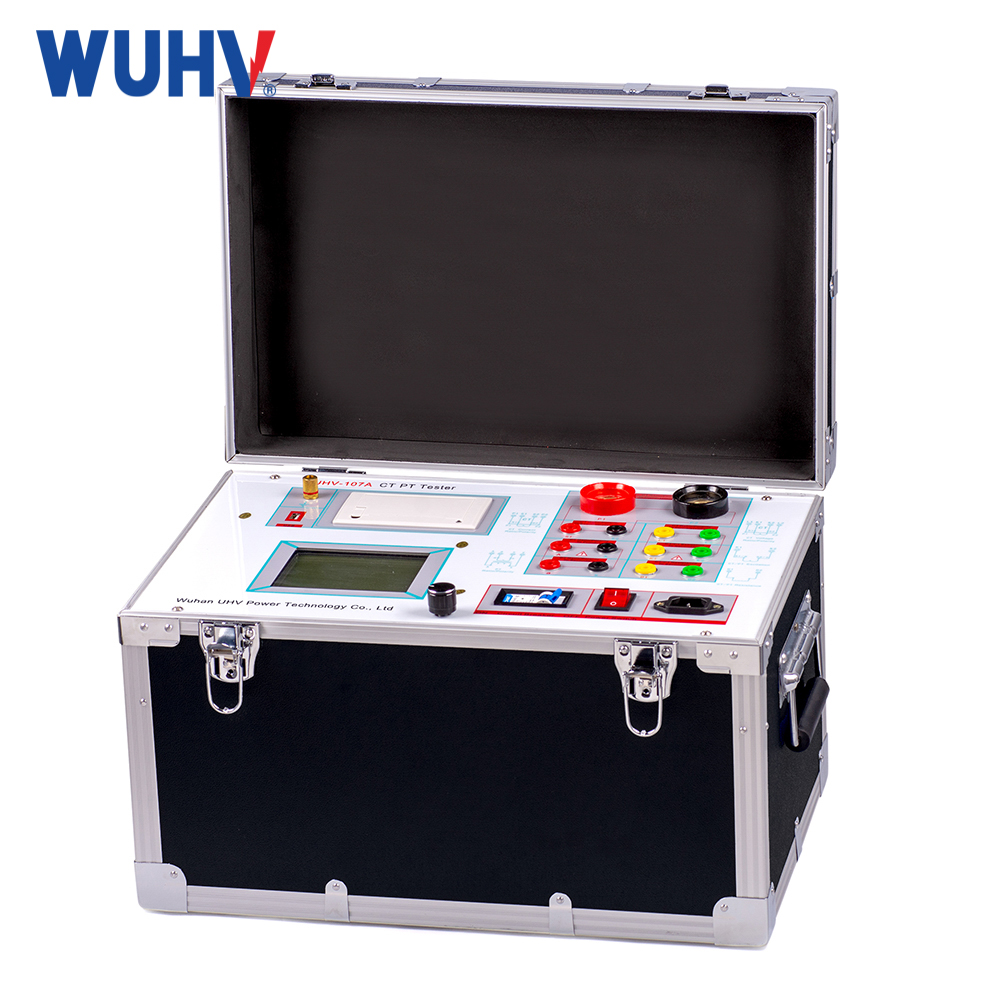
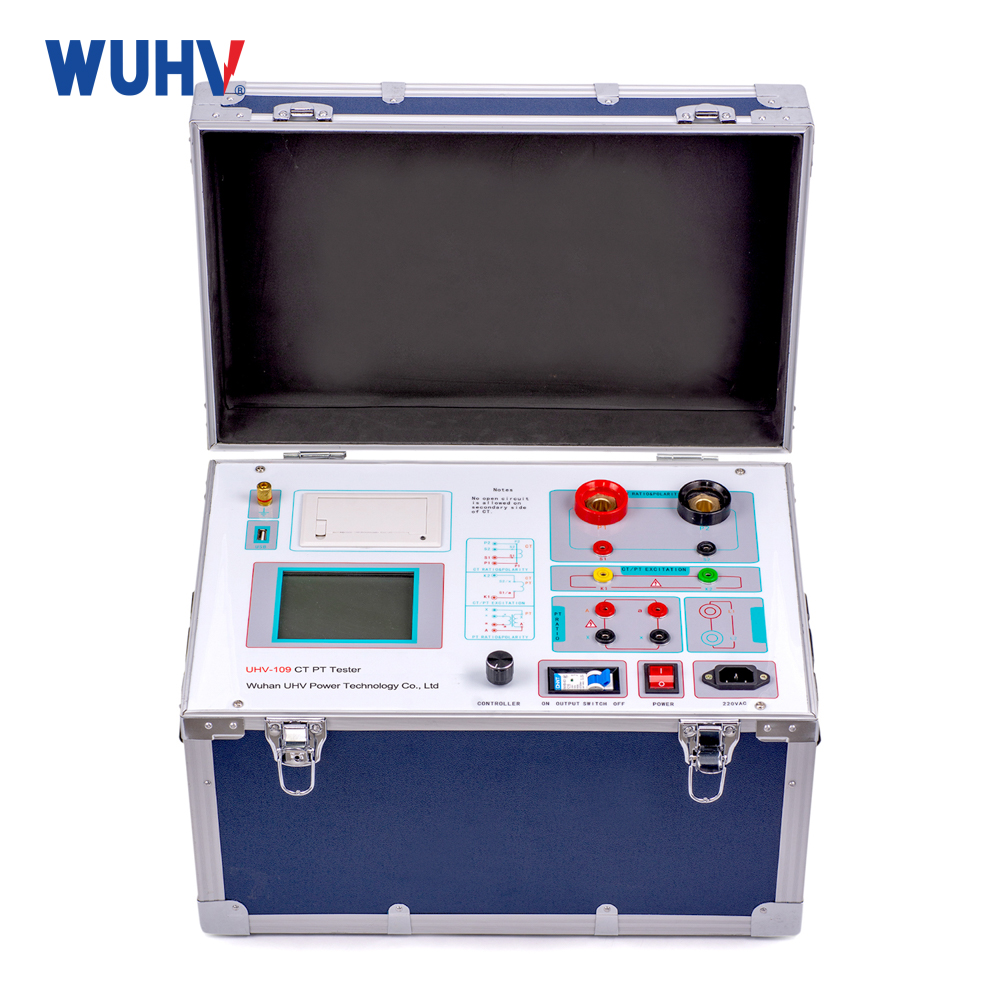
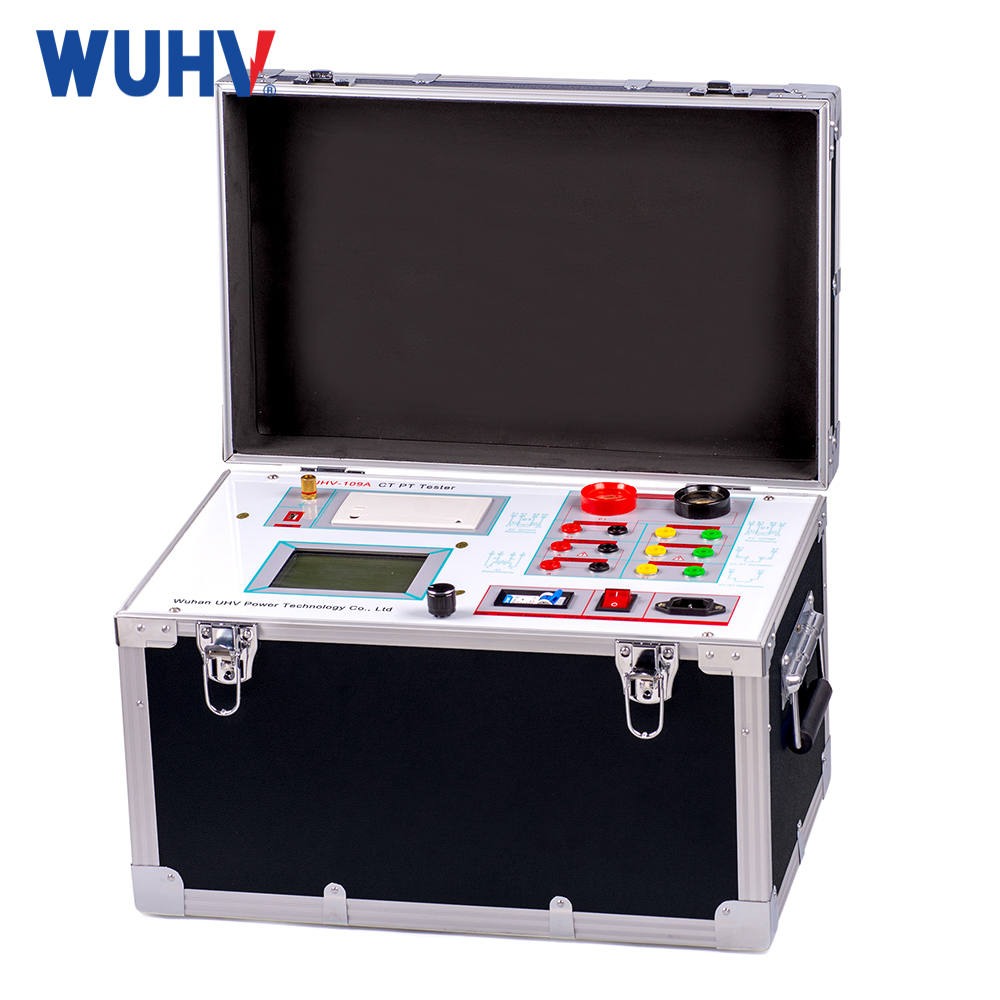
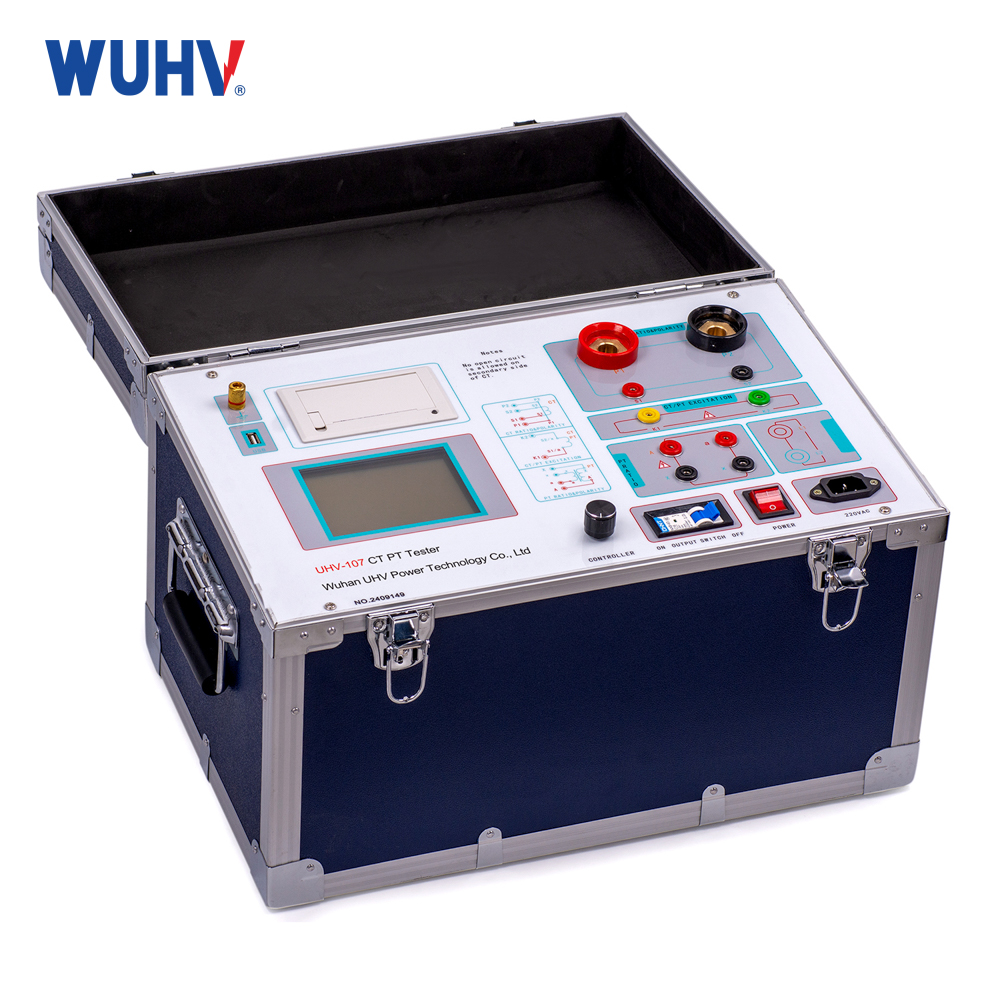
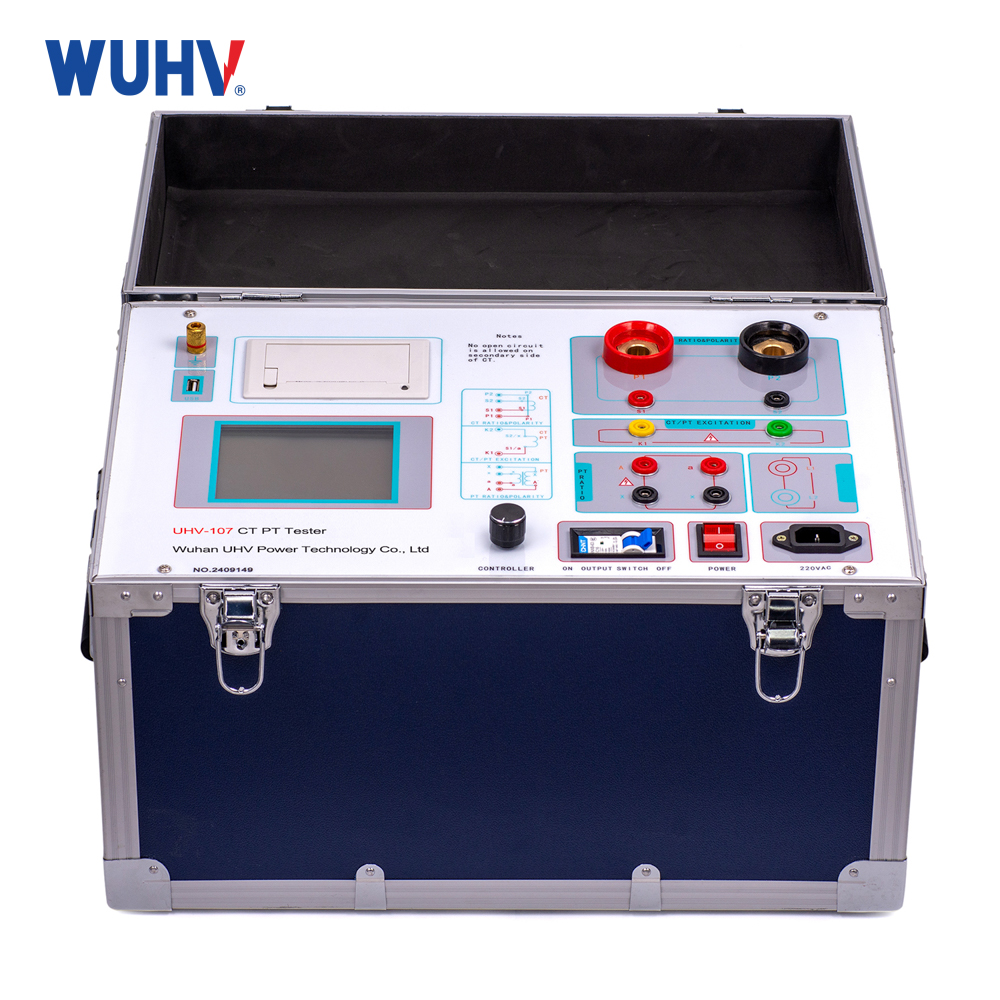
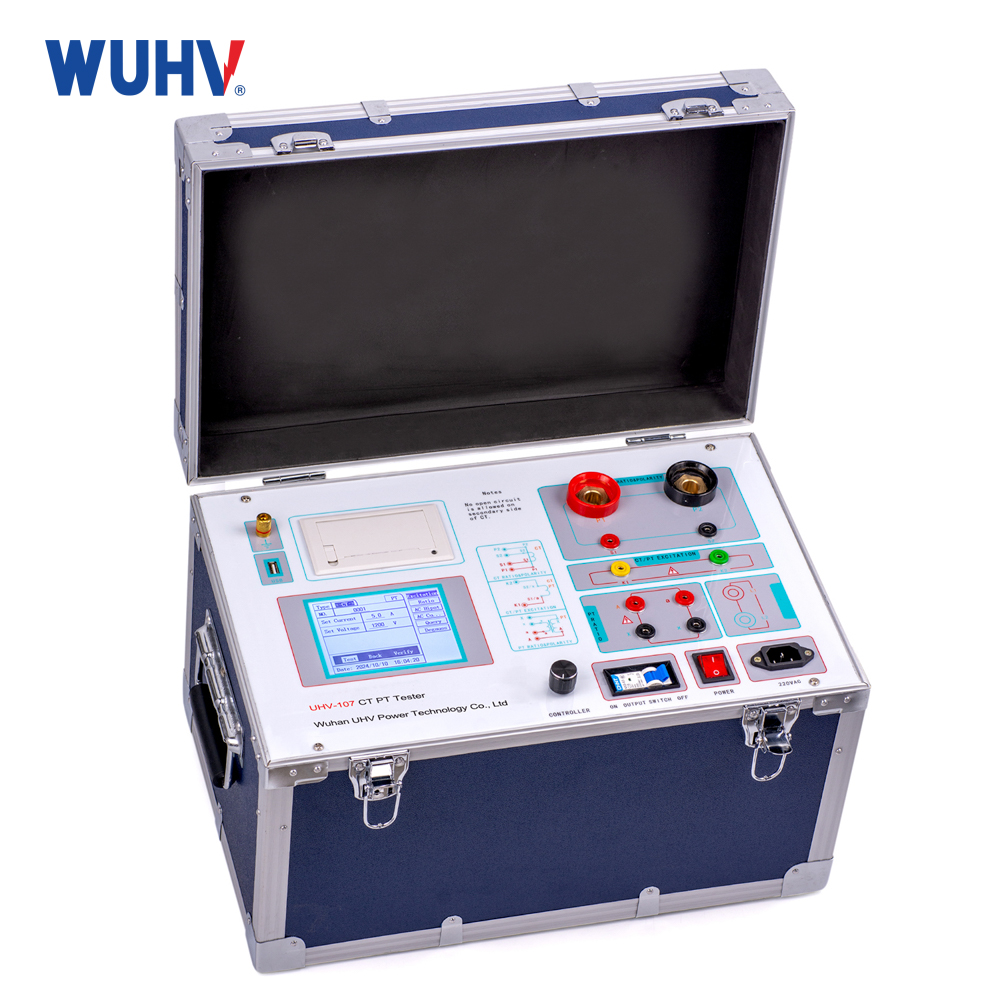
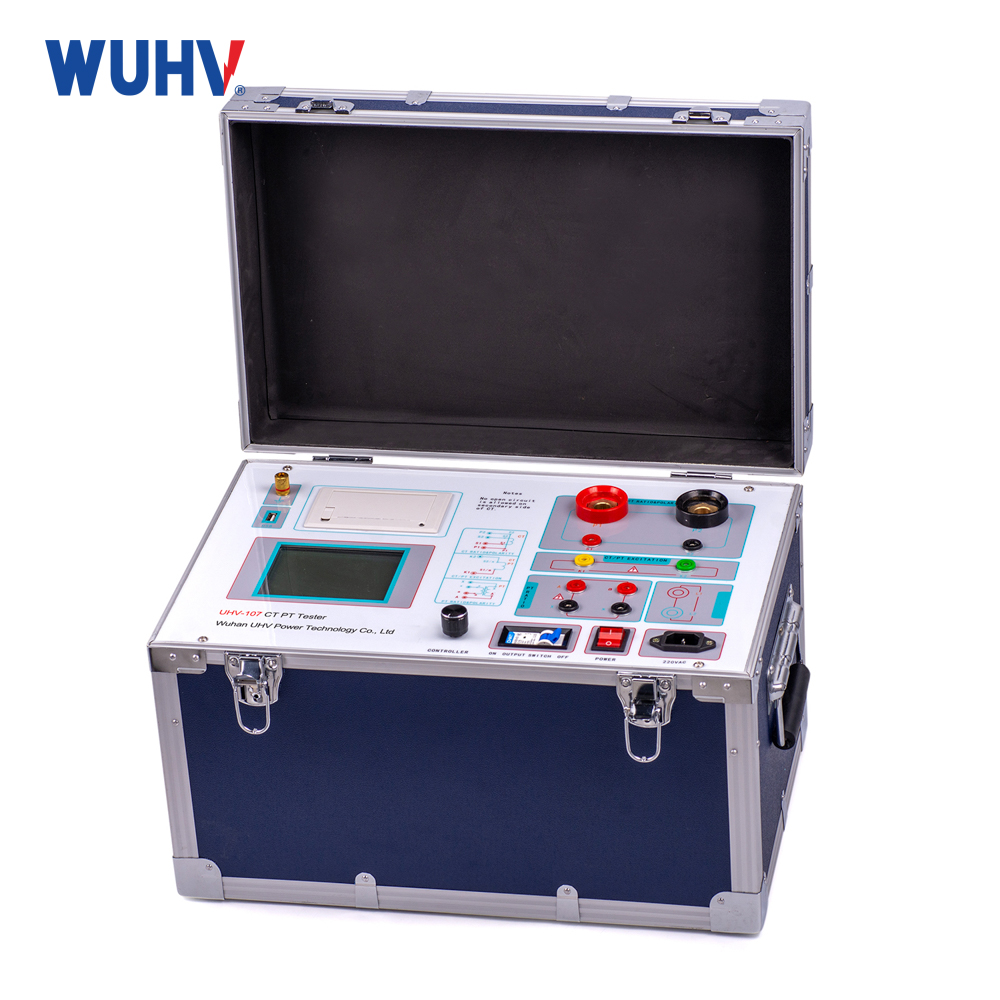
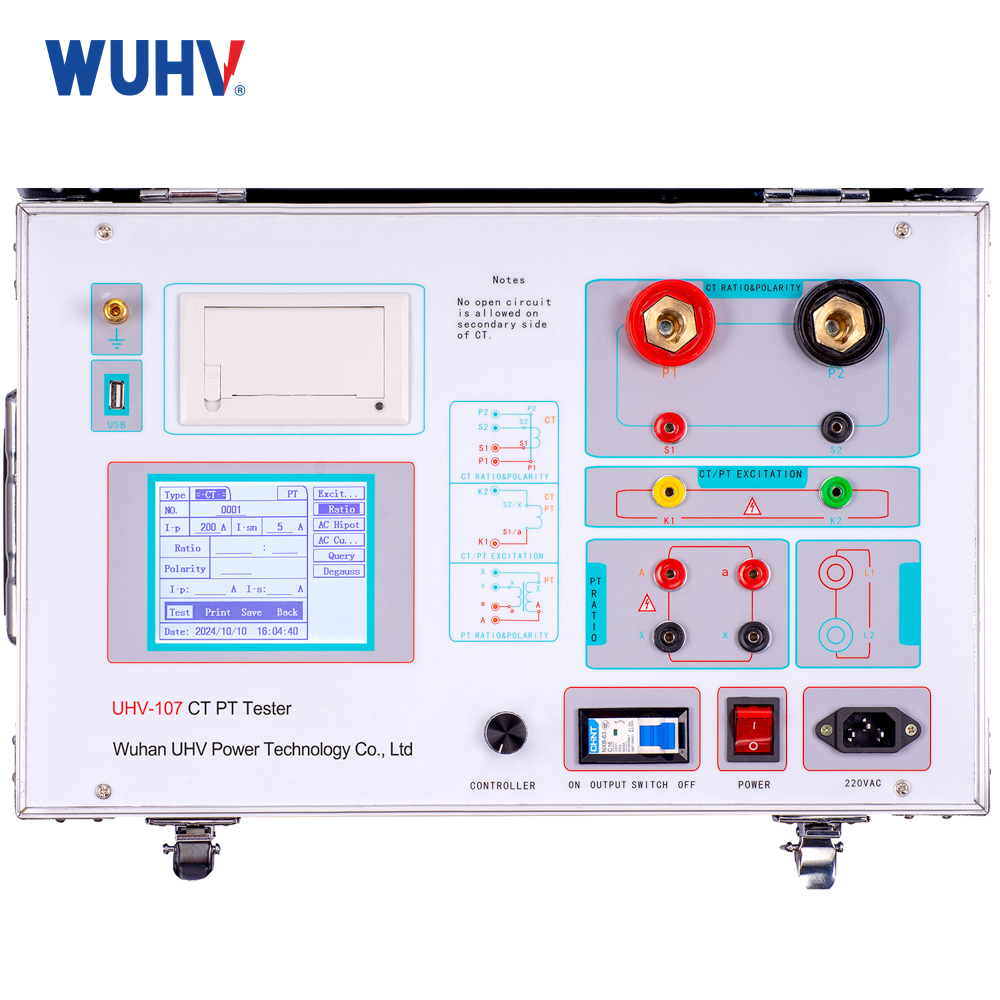
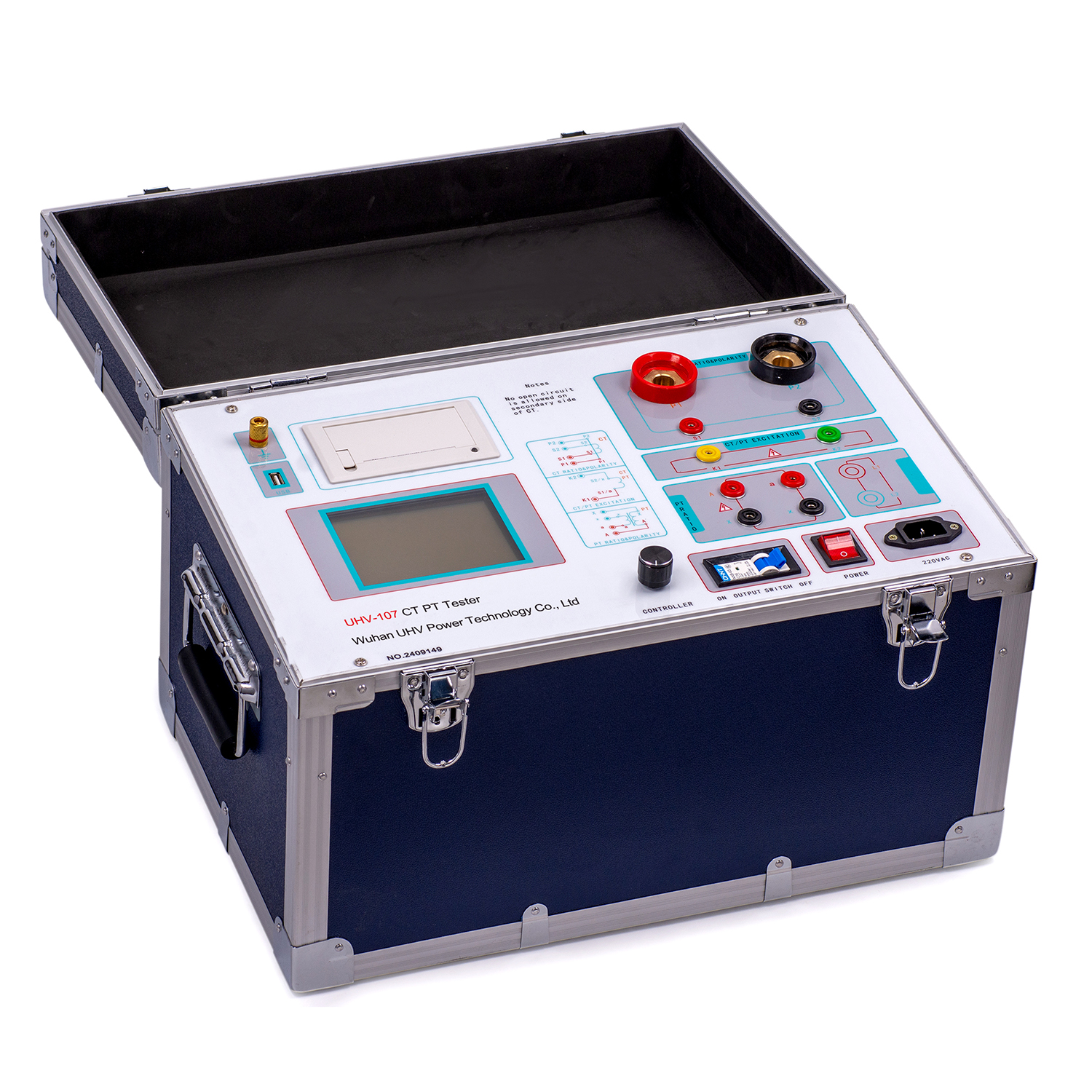
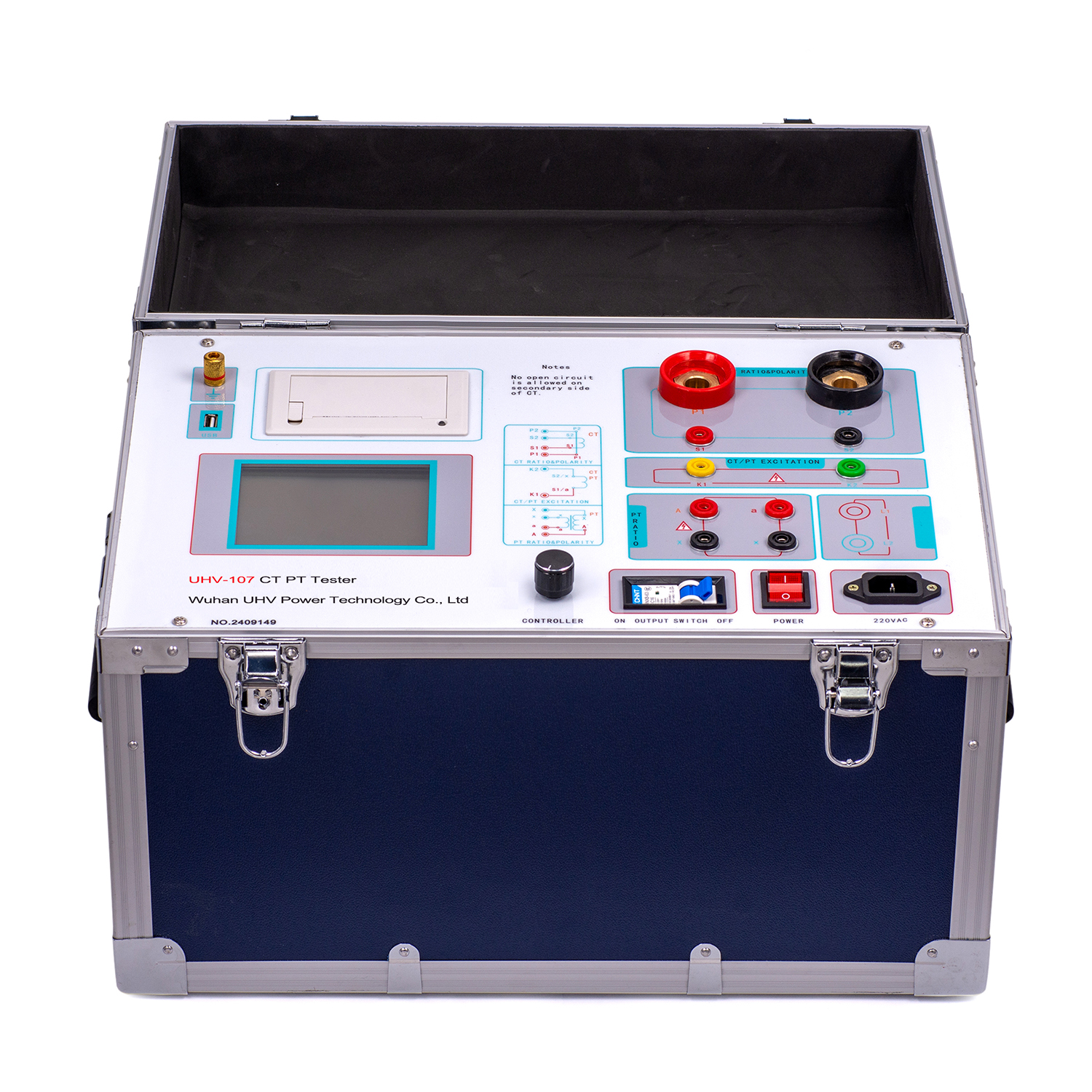
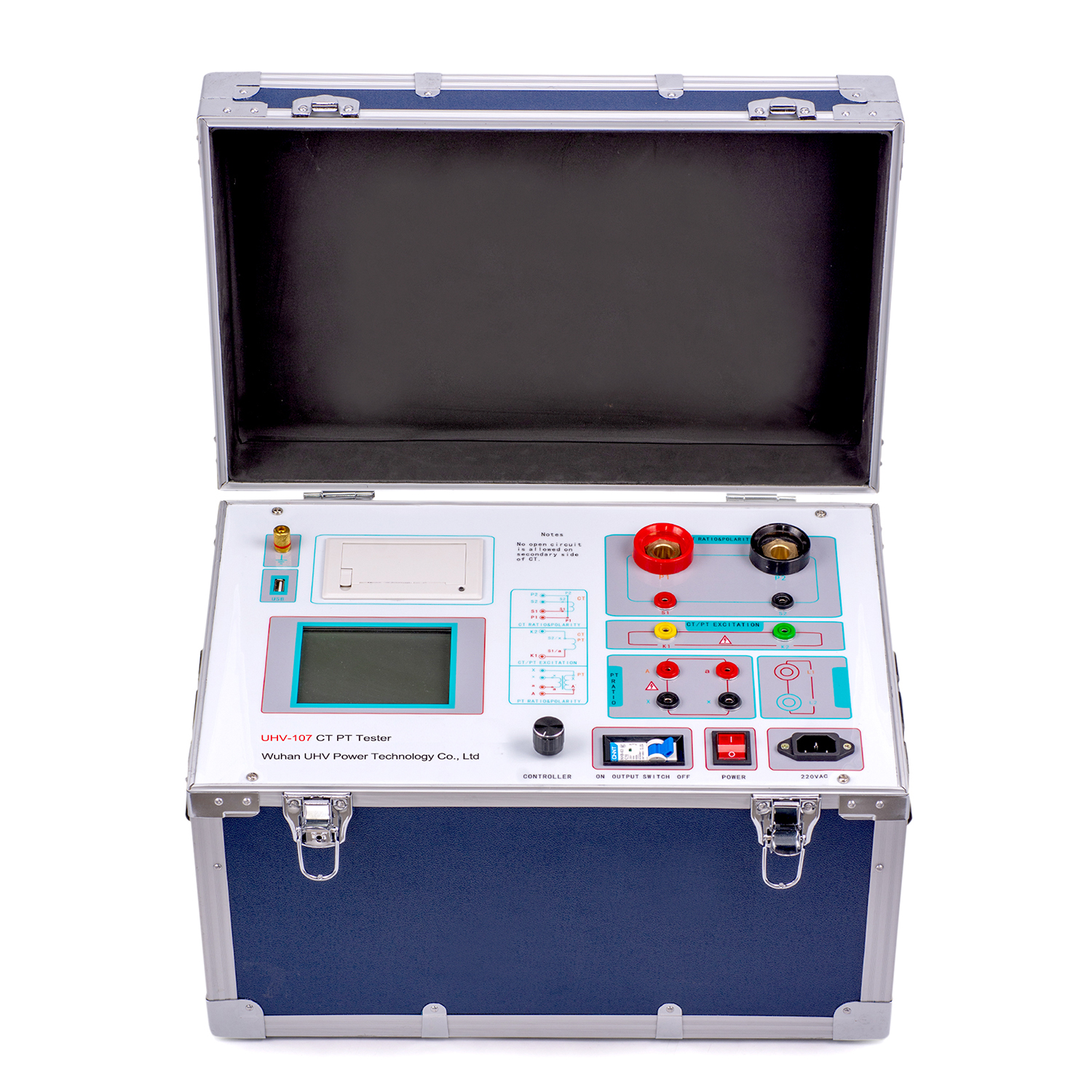
Wuhan UHV Power Technology Co.,Ltd., is a professional manufacturer and supplier of high-voltage power testing equipment in China.The UHV-107 CT/PT Volt-Ampere Characteristic Tester is engineered for automated testing of Protection-Class and Metering-Class CTs/PTs.The instrument integrates multiple functions including VA characteristic testing, turns ratio testing, polarity testing, and error analysis into one unit, enabling fast and accurate on-site and laboratory testing of transformers. It is an important testing device for substations, power plants, power supply enterprises, and transformer manufacturers in the power system.
 |  |  |
Product functions
VA Characteristic Testing Function
Performs VA characteristic tests on current transformers (CT) and voltage transformers (PT), automatically measuring the relationship between excitation voltage and excitation current, generating VA characteristic curves, and evaluating core performance, saturation characteristics, and operating condition of the transformer.
Turns Ratio Testing Function
Automatically detects the current and voltage conversion ratio between the primary and secondary sides of the transformer, calculates the actual ratio and error, and determines whether the transformer ratio meets design requirements, ensuring accuracy of metering and protection systems.
Polarity Testing Function
Detects the polarity of the primary and secondary windings of the transformer, quickly determining the relationship between terminals of the same polarity, preventing protection misoperation or abnormal measurement data caused by reversed polarity connections, thereby improving equipment operational reliability.
Error Analysis Function
Automatically calculates parameters such as ratio error and phase error based on test data, analyzes and determines the accuracy class of the transformer, and helps users quickly evaluate whether the equipment meets operational standards.
Product Characteristics
1、All-in-One Operation – Performs all tests (excitation curves, ratio, polarity, demag, 5%/10% error curves, secondary burden, AC withstand) without external equipment
2、Automated Analysis – Auto-detects CT/PT excitation knee-point and generates 5%/10% error curves
3、Intuitive Interface – Smart controller with large LCD graphical display for simplified operation
4、On-Site Reporting – Integrated micro-thermal printer for instant results
5、Advanced Data Management
Stores 3,000 test sets (battery-backed retention)
USB export to generate Word reports on standard PCs
6、Field-Optimized Design – Lightweight (≤22kg) and compact for enhanced portability
Product Advantages
Multi-functional integrated design
A single device can complete CT/PT excitation characteristics, ratio, polarity, error, demagnetization, secondary burden, and winding resistance testing, reducing dependence on multiple test devices and improving testing efficiency.
Automated testing, simpler operation
The device can automatically perform testing and data analysis, such as automatically identifying the CT/PT knee-point voltage and generating 5%/10% error curves, reducing manual calculation and judgment work.
Accurate and reliable test results
CT ratio test accuracy can reach ≤0.5%, PT ratio test accuracy can also reach ≤0.5%, and excitation measurement accuracy reaches ≤1.0% as specified. Suitable for performance testing of protection-class and metering-class CTs/PTs.
Suitable for both on-site and laboratory use
The device features a compact design, weighing approximately ≤25 kg, with dimensions of 410 × 260 × 340 mm. It is easy to carry to substations, power plants, and other on-site testing environments.
Convenient test data management
Built-in data storage function can save approximately 3,000 sets of test data. It also supports USB data export and Word report generation, facilitating subsequent data archiving, analysis, and report creation.
Parameter Produk
The main parameters
| Item | parameter | |
| Catu daya yang berfungsi | AC220V±10% 、50Hz | |
| Devices output | 0~2500V (peak value of 20A) Note: 0 to 5A is the true value, and greater than 5A to 20A is the calculated value | |
| Keluaran arus tinggi | 0~600A | |
| Akurasi pengukuran eksitasi | ≤1.0% (0.5%* reading +0.5%* range) | |
| rasio CT pengukuran | The scope of | ≤3000A/1A(15000A/5A) |
| presisi | ≤0.5% | |
| PT ratio pengukuran | The scope of | ≤500kV |
| presisi | ≤0.5% | |
| work environment | suhu | -10℃~40℃ |
| kelembaban | ≤90% | |
| ketinggian | ≤1000m | |
| ukuran | 410mm × 260mm × 340mm | |
| berat | ≤25kg | |
Application Scenarios
VA Characteristic Testing Function
Performs VA characteristic tests on current transformers (CT) and voltage transformers (PT), automatically measuring the relationship between excitation voltage and excitation current, generating VA characteristic curves, and evaluating core performance, saturation characteristics, and operating condition of the transformer.
Turns Ratio Testing Function
Automatically detects the current and voltage conversion ratio between the primary and secondary sides of the transformer, calculates the actual ratio and error, and determines whether the transformer ratio meets design requirements, ensuring accuracy of metering and protection systems.
Polarity Testing Function
Detects the polarity of the primary and secondary windings of the transformer, quickly determining the relationship between terminals of the same polarity, preventing protection misoperation or abnormal measurement data caused by reversed polarity connections, thereby improving equipment operational reliability.
Error Analysis Function
Automatically calculates parameters such as ratio error and phase error based on test data, analyzes and determines the accuracy class of the transformer, and helps users quickly evaluate whether the equipment meets operational standards.
Winding Resistance Testing Function
Measures the DC resistance of the transformer secondary winding, checks the winding connection condition, promptly identifies potential issues such as poor contact or winding abnormalities, and provides a reference basis for equipment maintenance.
FAQ about CT PT Volt-ampere Tester
What is a transformer VA ratio polarity comprehensive tester?
A transformer VA ratio polarity comprehensive tester is an intelligent testing device used for measuring the performance parameters of current transformers (CT) and voltage transformers (PT). The instrument integrates multiple functions including VA characteristic testing, turns ratio testing, polarity testing, error analysis, and winding resistance testing into one unit, enabling rapid performance testing and condition assessment of transformers.
Why is VA characteristic testing of transformers necessary?
VA characteristic testing reflects the excitation performance and saturation characteristics of the transformer core, and is an important basis for determining whether the transformer meets protection and metering requirements. By analyzing parameters such as the excitation curve, knee-point voltage, and excitation current, issues such as core aging, winding abnormalities, or degradation of magnetic performance can be promptly identified, ensuring the safe and stable operation of the power system.
What roles do turns ratio and polarity testing play in transformer inspection?
Turns ratio testing is used to verify whether the actual transformation ratio of the transformer complies with the rated value, ensuring the accuracy of measurement and protection systems. Polarity testing is used to confirm the polarity relationship between the primary and secondary windings, preventing relay protection misoperation, metering errors, or system abnormalities caused by wiring mistakes. These two tests are important contents in pre-commissioning and periodic inspection of transformers.
Wuhan UHV Power Technology Co., Ltd. offers professional testing equipment and complete technical support for power utilities, electrical contractors, testing laboratories, and equipment manufacturers. With extensive experience in electrical testing technology, we work as a trusted manufacturer and supplier of CT and PT testing equipment, providing stable product quality and flexible solutions for different testing requirements. Whether you need a single unit for field testing or equipment for large-scale electrical testing projects, we can provide suitable configurations according to your application. The price of the UHV-107 CT PT Volt-ampere Tester may vary depending on the configuration, quantity, and specific technical requirements. Contact us to discuss your application, check the available options, and get the latest product price and quotation directly from the manufacturer and supplier.